Portfolio/Volvo Group
2014–2015
System / Digital Design Language
One digital language for more than 40 Volvo apps
A cross-functional digital design language effort to unify Volvo mobile applications and establish reusable digital-product patterns.
I assembled and led a cross-departmental group of designers, usability specialists, brand leaders, and developers to create a common digital product language.
- Design Systems
- Mobility & Automotive
- Design Leadership & Organization
- Company
- Volvo Group
- Role
- Head of UX
- Period
- 2014–2015
- Type
- System
- Delivery
- Shared language + governance
Contribution
Assembled and led the cross-departmental working group of roughly 30 designers and worked with Brand Management to create the digital design language.
At a glance
- 40+ mobile apps
- ~30 designers
- First end-to-end UX identity
Context
More than 40 apps, but no common digital product language
During 2014 and 2015 I assembled a cross-departmental team of designers, usability specialists, and brand experts to create a digital design language that unified the brand experience across Volvo's digital interfaces.
Before the effort, Volvo Group had more than 40 unique mobile applications. They had different brand expressions, uneven usability, questionable customer value, and high maintenance cost. By partnering with Brand and Marketing, we helped steer the company toward a more aligned digital product strategy.
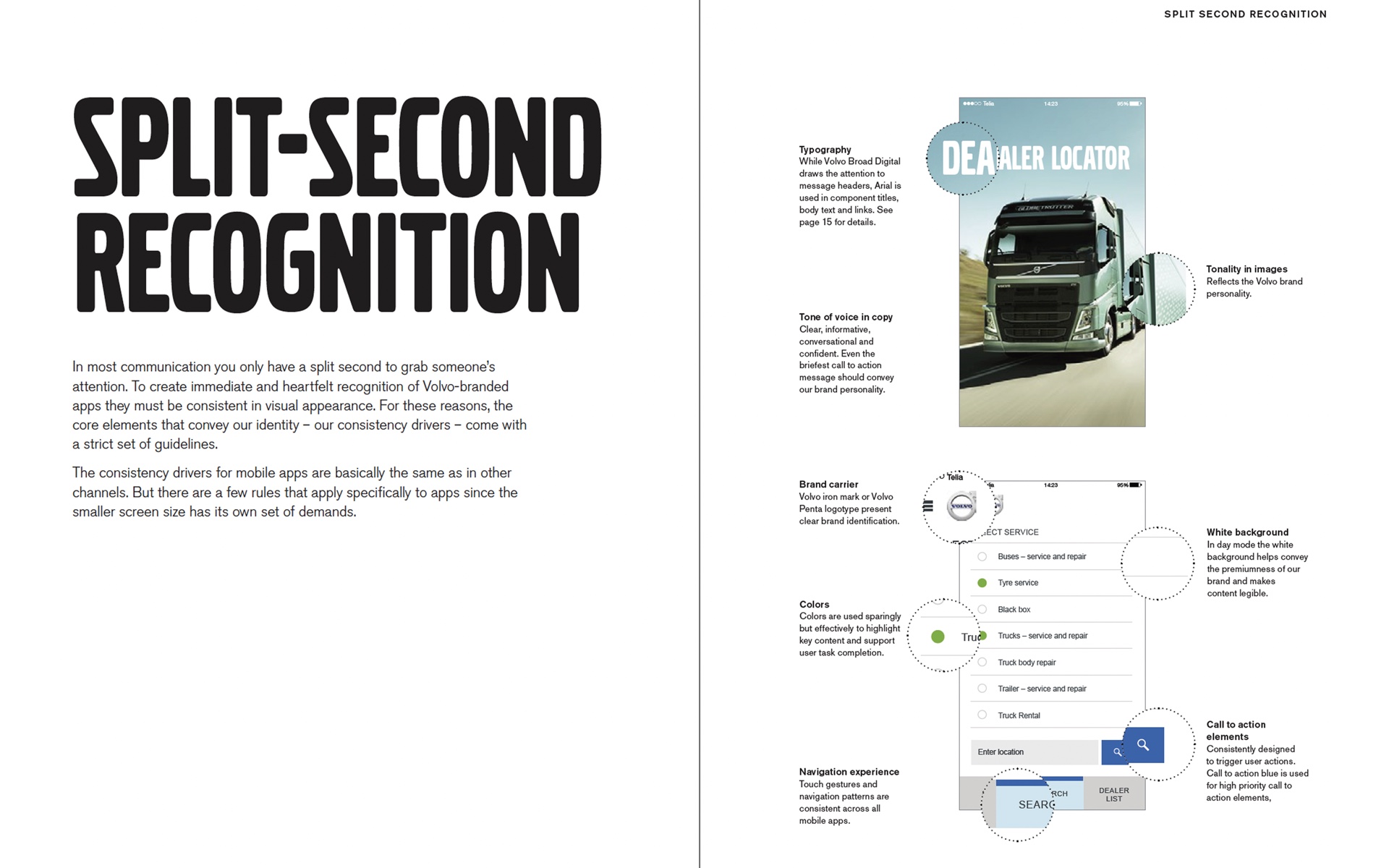
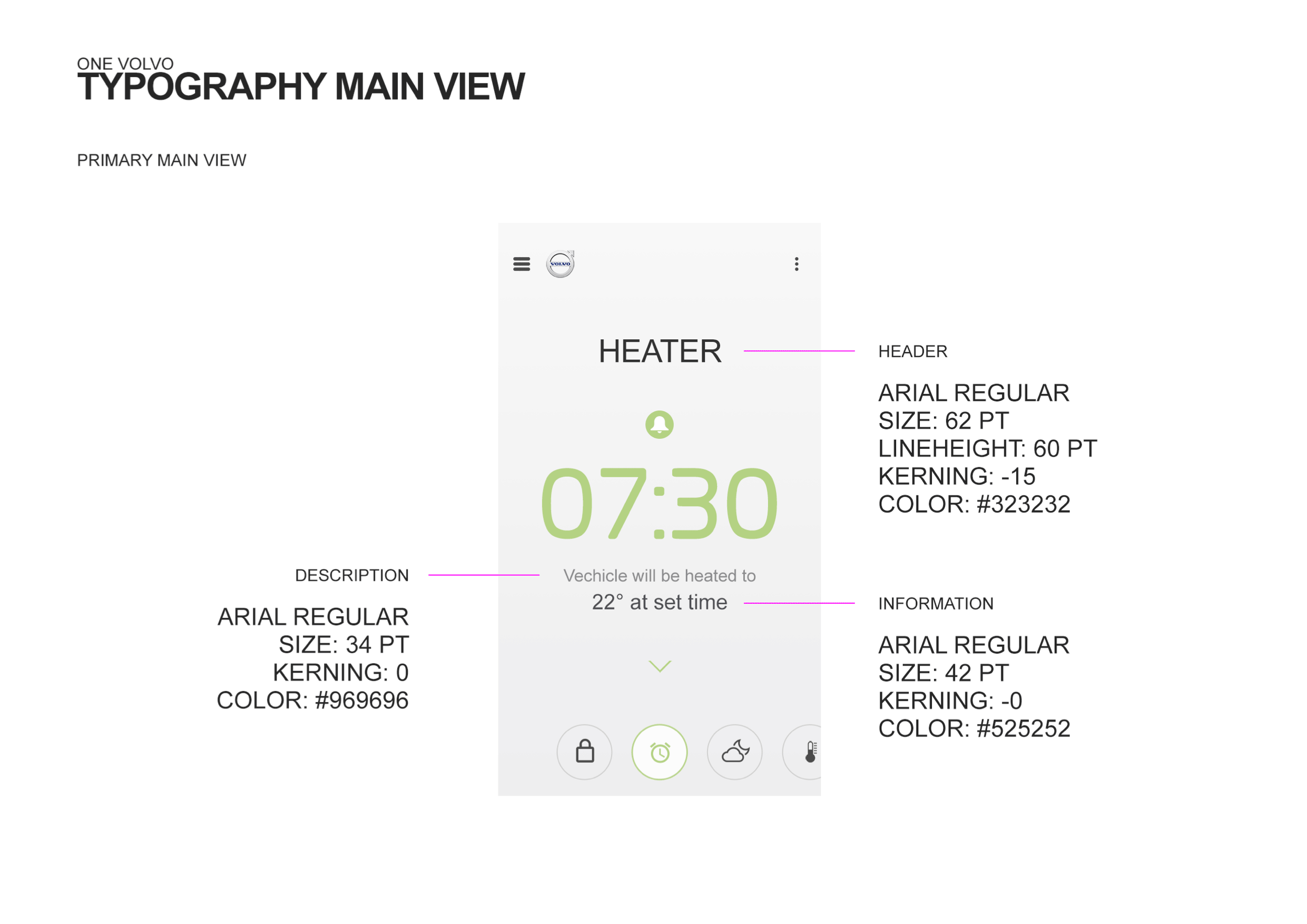
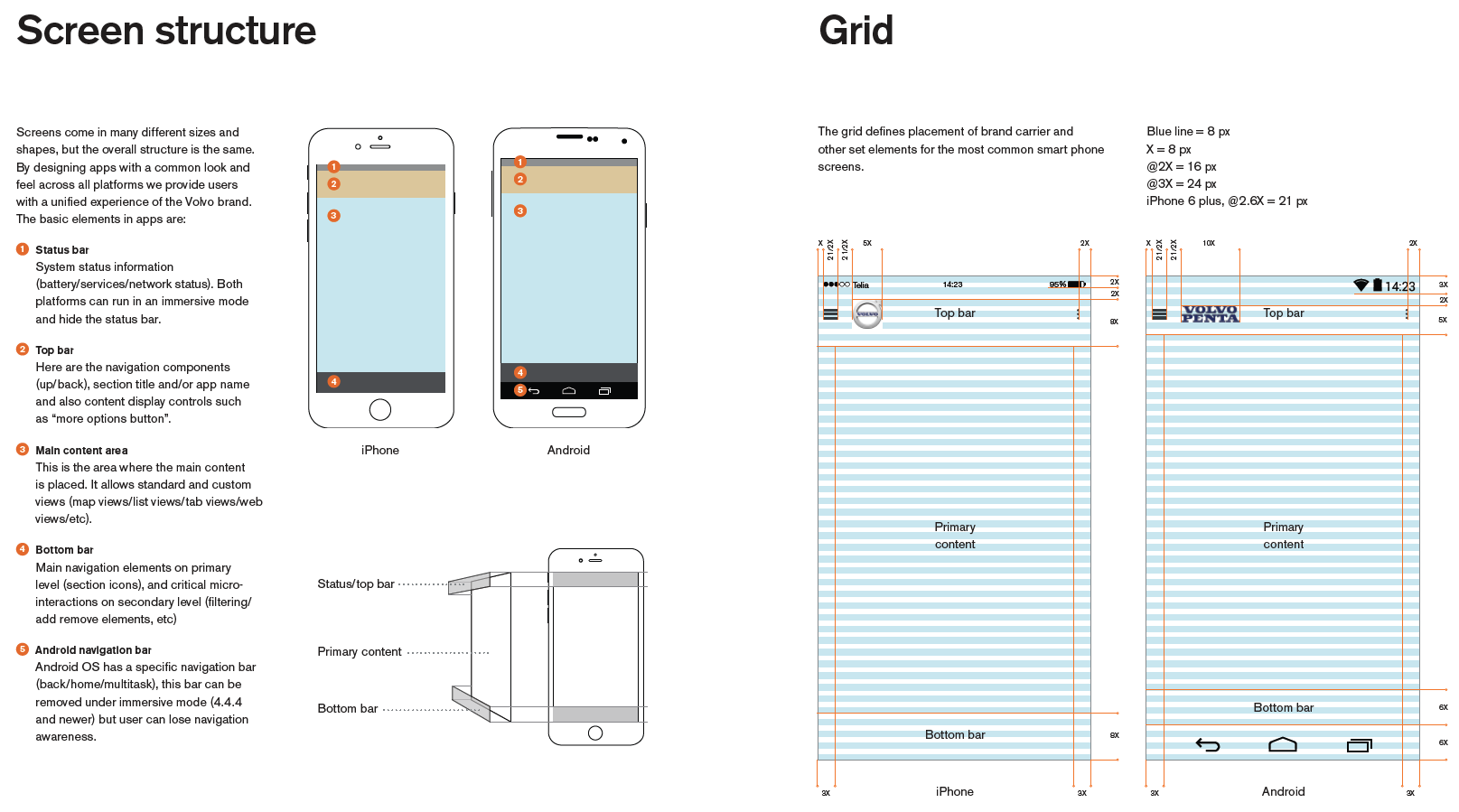
The resulting language defined a shared set of consistency drivers, including typography, imagery, brand carriers, color, calls to action, and navigation behavior, so customers could recognize a Volvo experience in a split second even when the product, task, or business area changed.
The journey as an organizing system
Connect one digital identity across every customer touchpoint
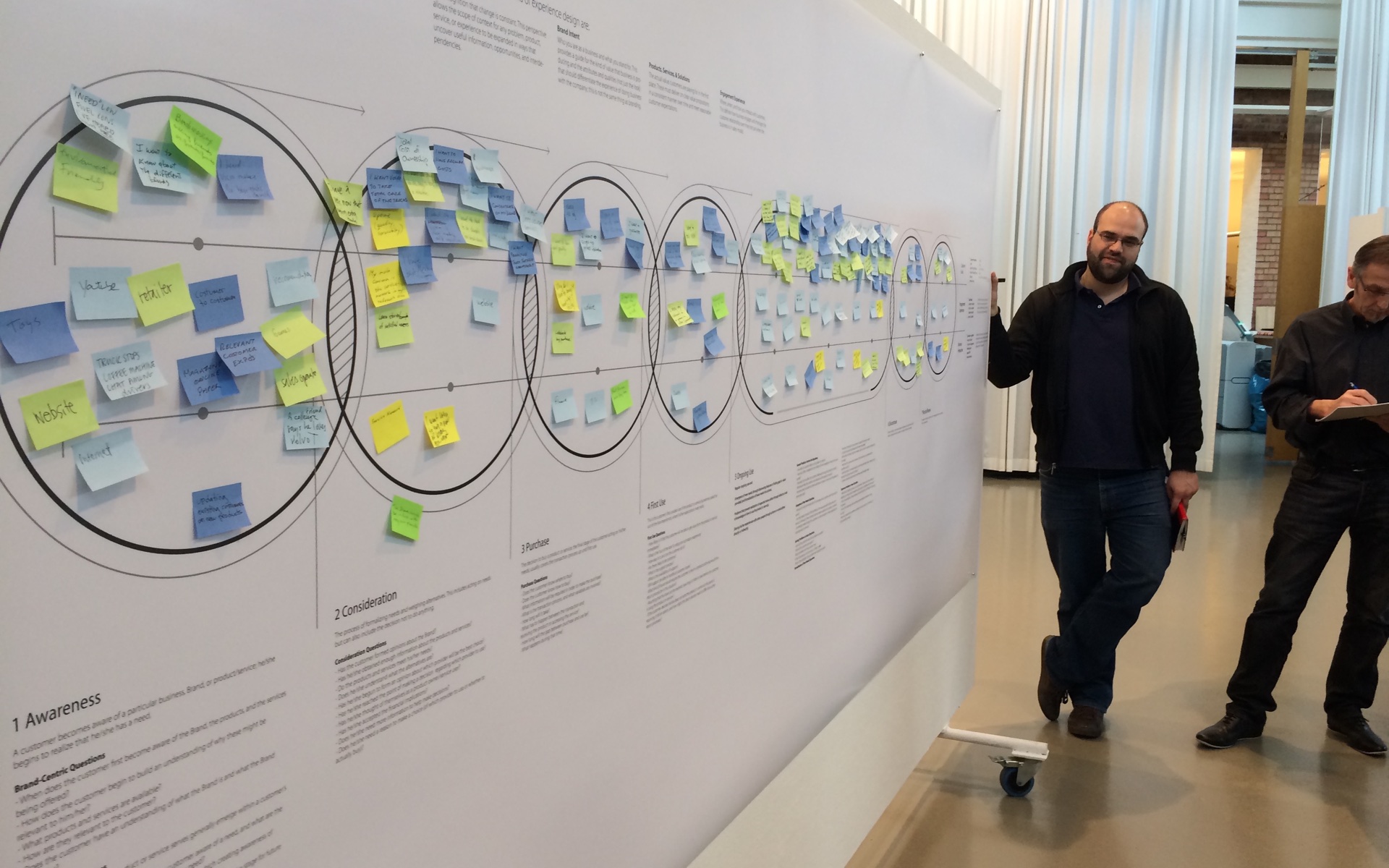
We used the end-to-end customer journey as the organizing spine for the design language. The map connected what customers were trying to accomplish across awareness, consideration, purchase, first use, ongoing use, service, and later relationship stages with the digital and physical touchpoints that supported them.
That changed the work from an app-by-app visual standard into an experience system. The team could examine how a person moved between websites, mobile applications, product and service interactions, support, and other Volvo touchpoints, then define which patterns needed to remain consistent and where the experience needed to adapt to the task.
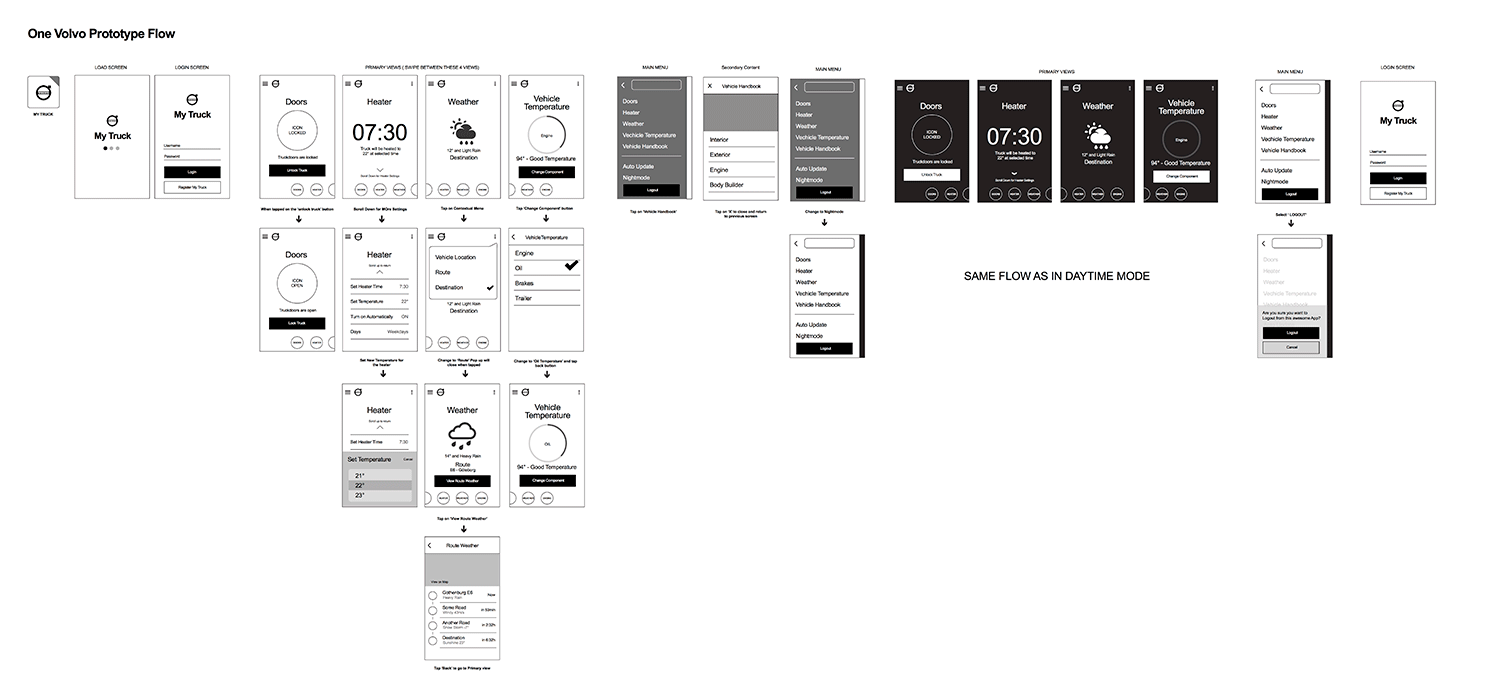
For the first time, Volvo had a consistent digital user-experience brand identity spanning the full user journey rather than a collection of independently branded applications. The language made the identity recognizable while allowing individual products and services to respond to their specific context.
My contribution
Build both the language and the community around it
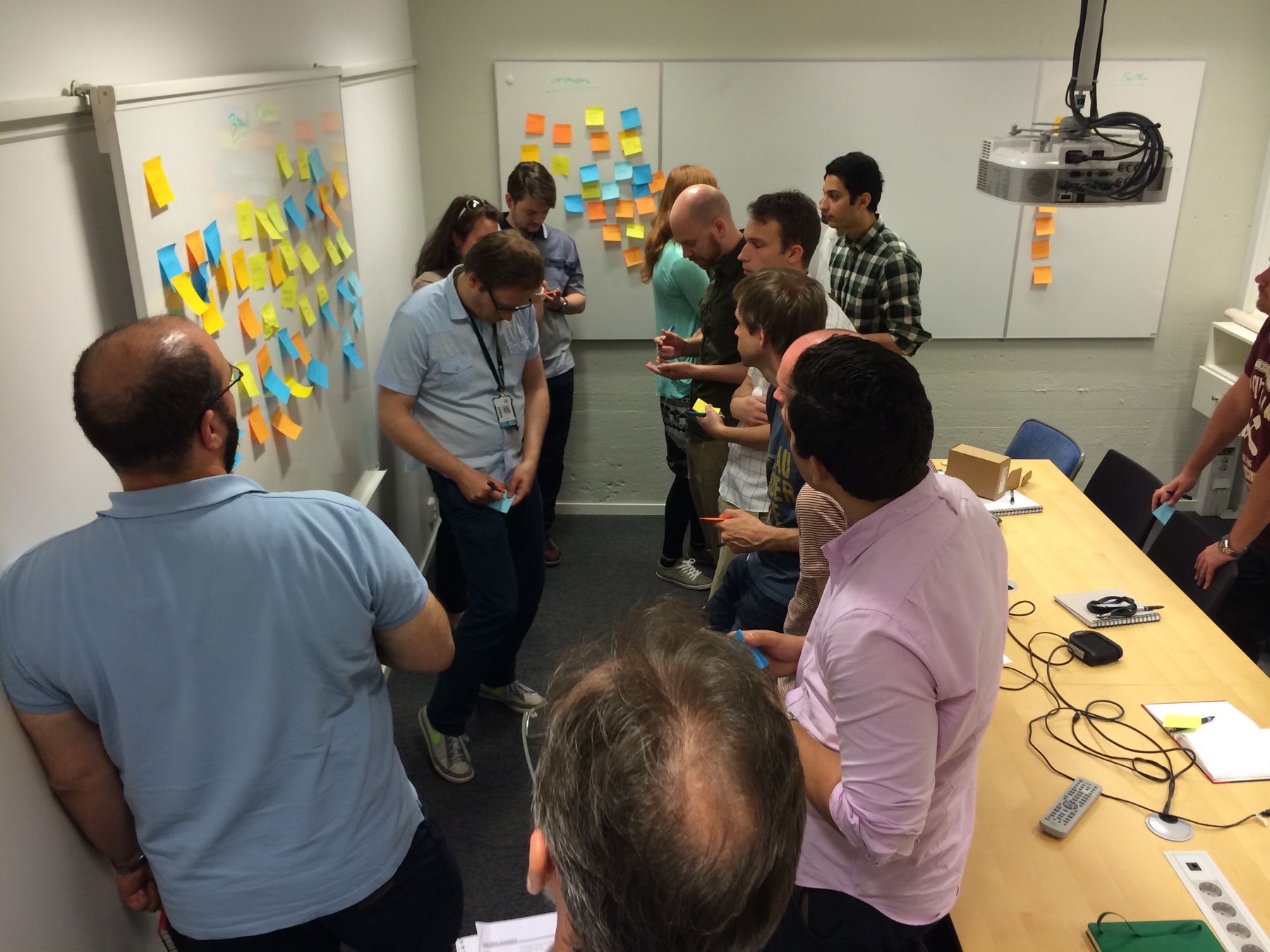
The larger working group included roughly 30 designers from across the company. This brought together different perspectives on the Volvo brand and helped the internal designers meet as a functional UX group.
My role was to lead the group through the design process, facilitate with external stakeholders, and work with the internal client in Brand Management. A large part of the work was also organizational: helping the company understand how digital interfaces could be prototyped, created, launched, and maintained under a shared governance model.
Outcomes
Foundation for a more coherent digital portfolio
- Created alignment between Group Design, Brand, Marketing, and Development
- Established Volvo's first consistent digital UX brand identity across the end-to-end user journey
- Established foundational work for later design-system efforts
- Reduced digital-product development cost while improving UX consistency
- Helped shape governance for mobile apps and digital interfaces
References
The system as it evolved
Next case study
Electrolux Prototyping SystemA connected-product prototyping system for repurposing appliances and testing digital, physical, and service experiences together.More work
SHAPE Design System
Electrolux · Director UX · 2019-2021
The first global Electrolux design system, spanning mobile apps, physical interfaces, voice, sound, light, and CMF.
Design Systems · Connected Products & Services · Design Leadership & Organization
global UX
Product Experience
Electrolux Group · VP Digital & Service Experience · 2017–2023
Physical and digital user experiences across a global appliance portfolio spanning Electrolux, AEG, and Frigidaire.
Connected Products & Services · Design Leadership & Organization
embedded UI · mobile applications · appliance UX
Voice Interaction Design
Electrolux · Director UX · 2019
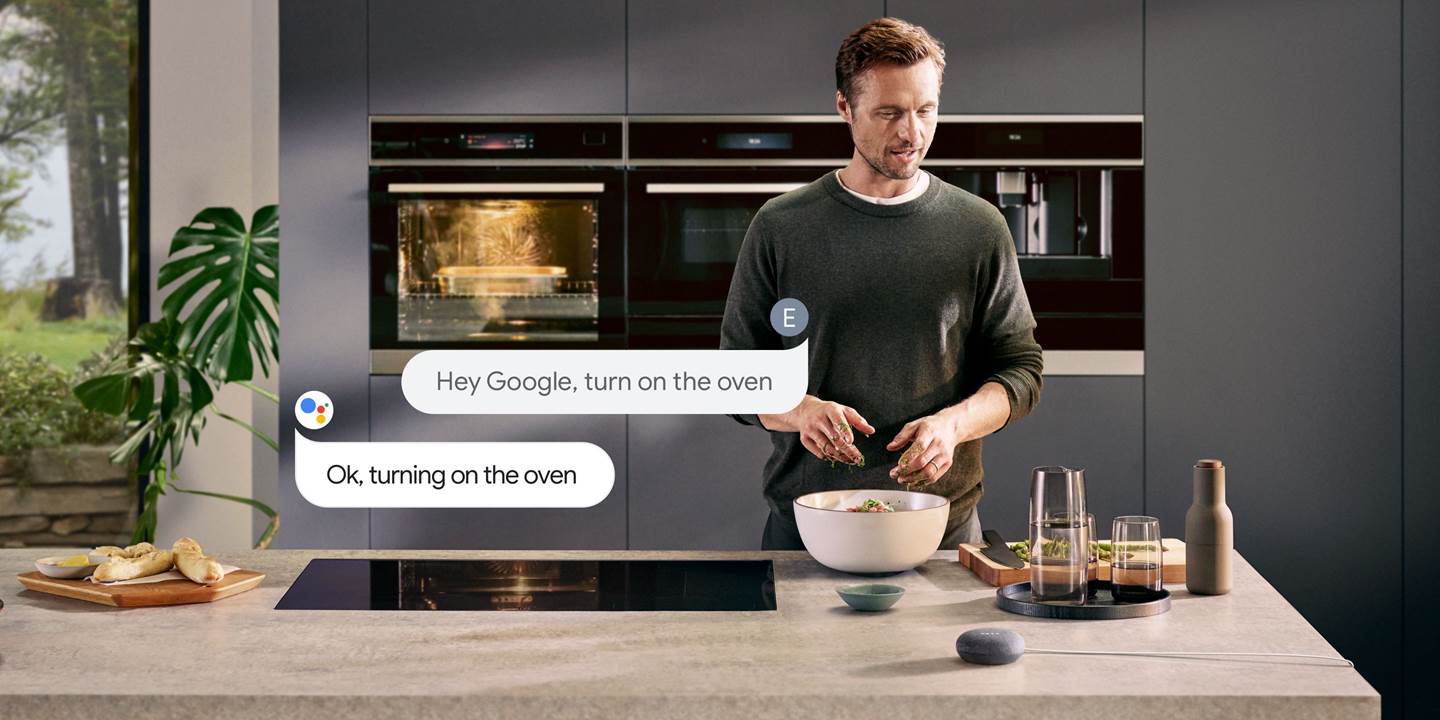
Foundational voice patterns and prototypes for extending the Electrolux design system into spoken interactions.
Design Systems · Prototyping
voice · interaction design