Portfolio/Electrolux
2018–2021
Prototype / Electrolux Digital-Physical UX Prototyping System
Prototyping connected appliances on real products
A connected-product prototyping system for repurposing appliances and testing digital, physical, and service experiences together.
I co-created and led the prototyping capability, aligning creative technology, product design, electronics, cloud services, and appliance teams.
- Prototyping
- Connected Products & Services
- Design Systems
- Design Leadership & Organization
- Company
- Electrolux
- Role
- VP Digital & Service Design
- Period
- 2018–2021
- Type
- Prototype
- Delivery
- Working hardware + platform
Contribution
Co-created and led the prototyping capability as part of the SHAPE work. The later tools shown in the Config presentation were created by others.
At a glance
- Custom MCU
- Real appliance behavior
- Cross-category platform
Context
Connected-product ideas could not be evaluated as static screens
As part of the SHAPE design system work, I co-created and led a prototyping system that helped Electrolux teams explore connected appliance experiences across products, apps, electronics, and services.
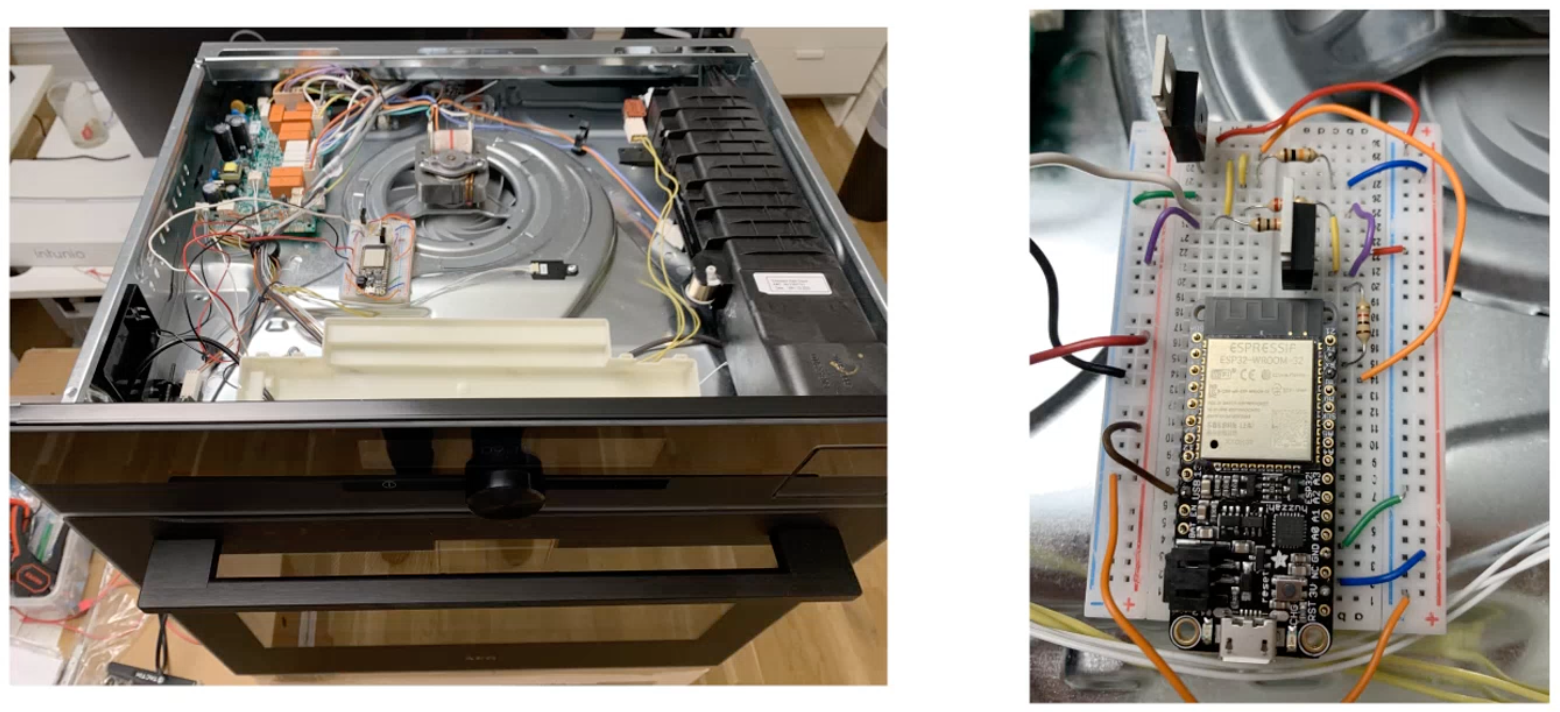
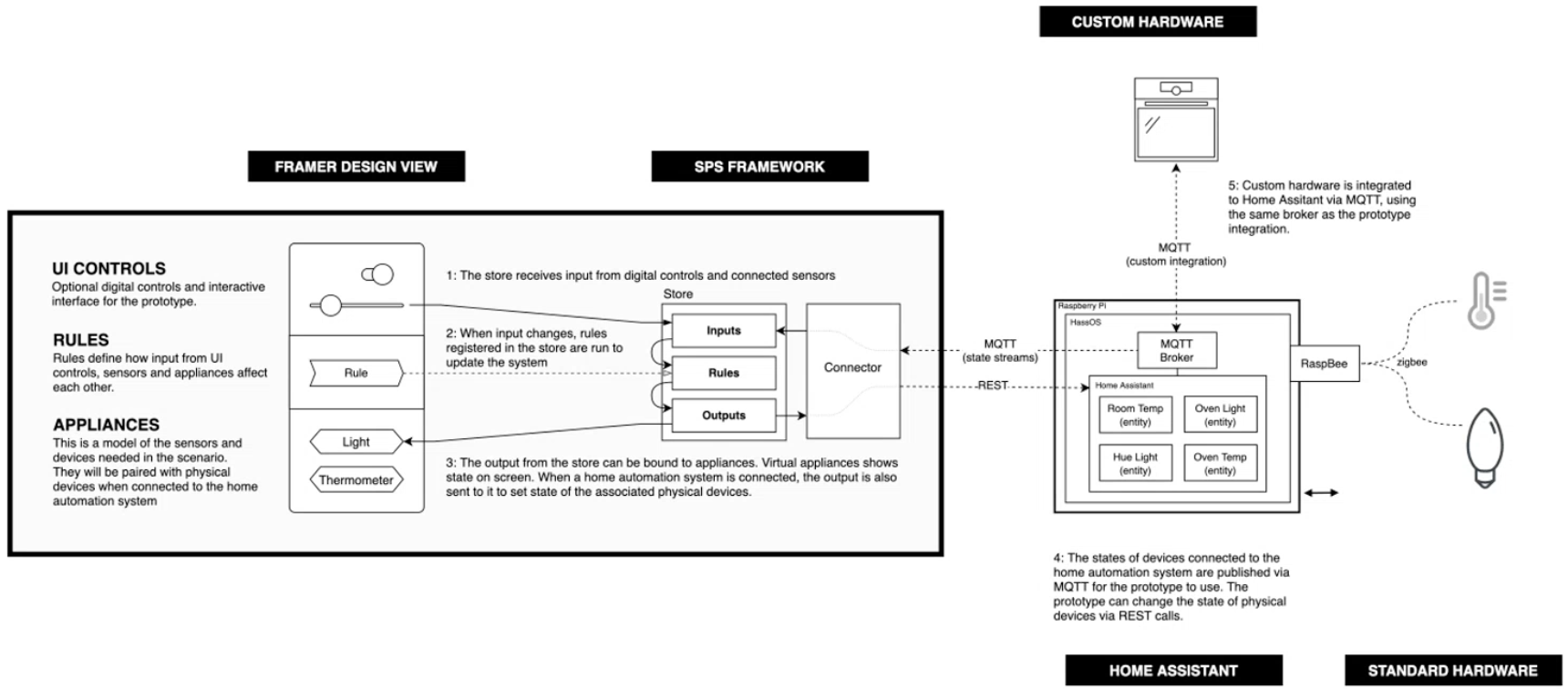
The system made it possible to prototype a holistic experience when hardware, firmware, mobile apps, APIs, cloud services, and physical controls all need to work together. It gave creative technologists and product owners a way to test ideas with real product behavior before committing to production implementation.
My contribution
Build an in-house capability for high-fidelity experience testing
- Framed the capability as shared product infrastructure rather than a one-off demo
- Connected design-system patterns to physical products and live service behavior
- Aligned design, technology, product, and electronics stakeholders
- Supported creative technologists and product owners in testing end-to-end concepts
System design
Repurpose real products through a common technical bridge
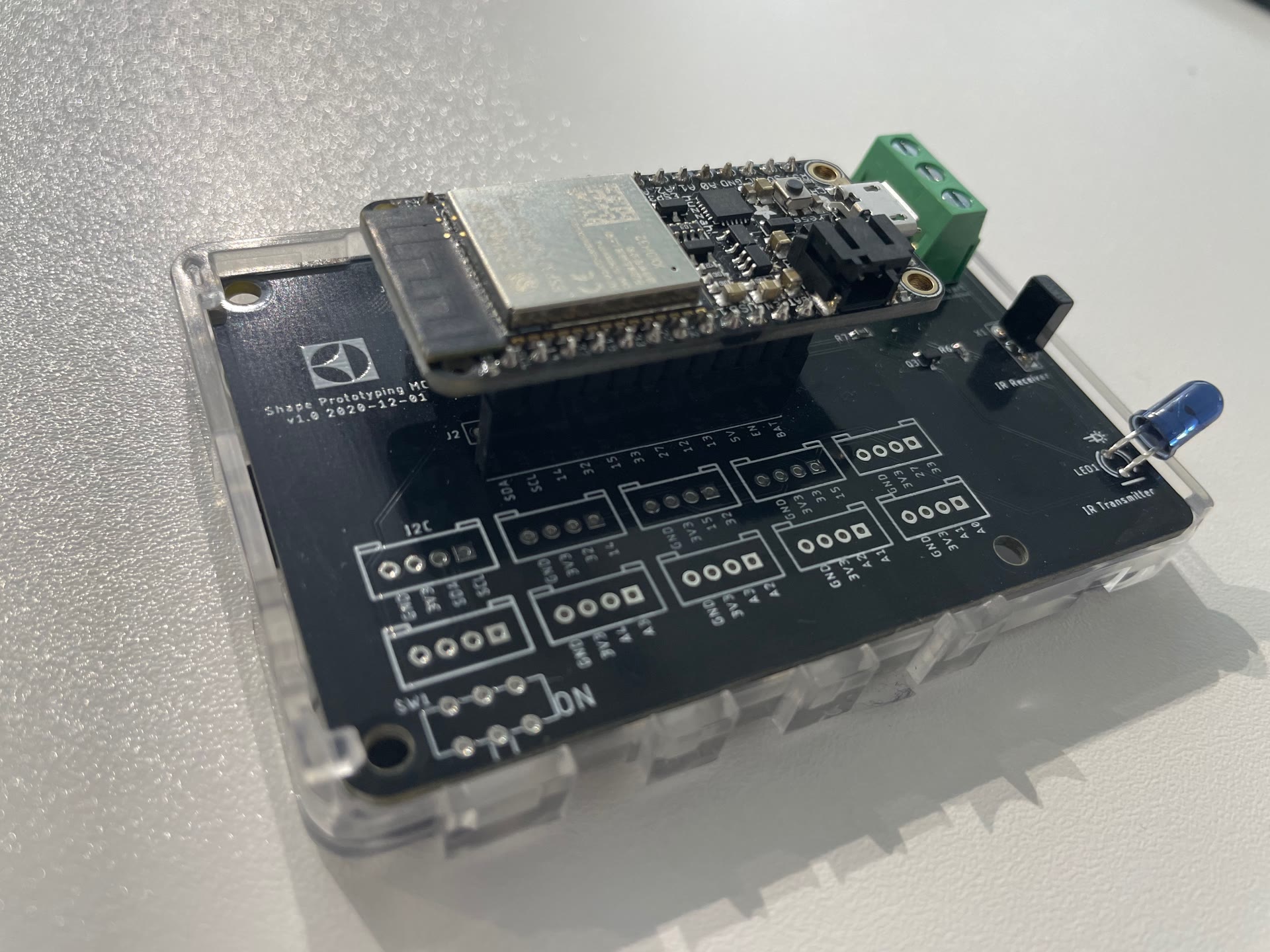
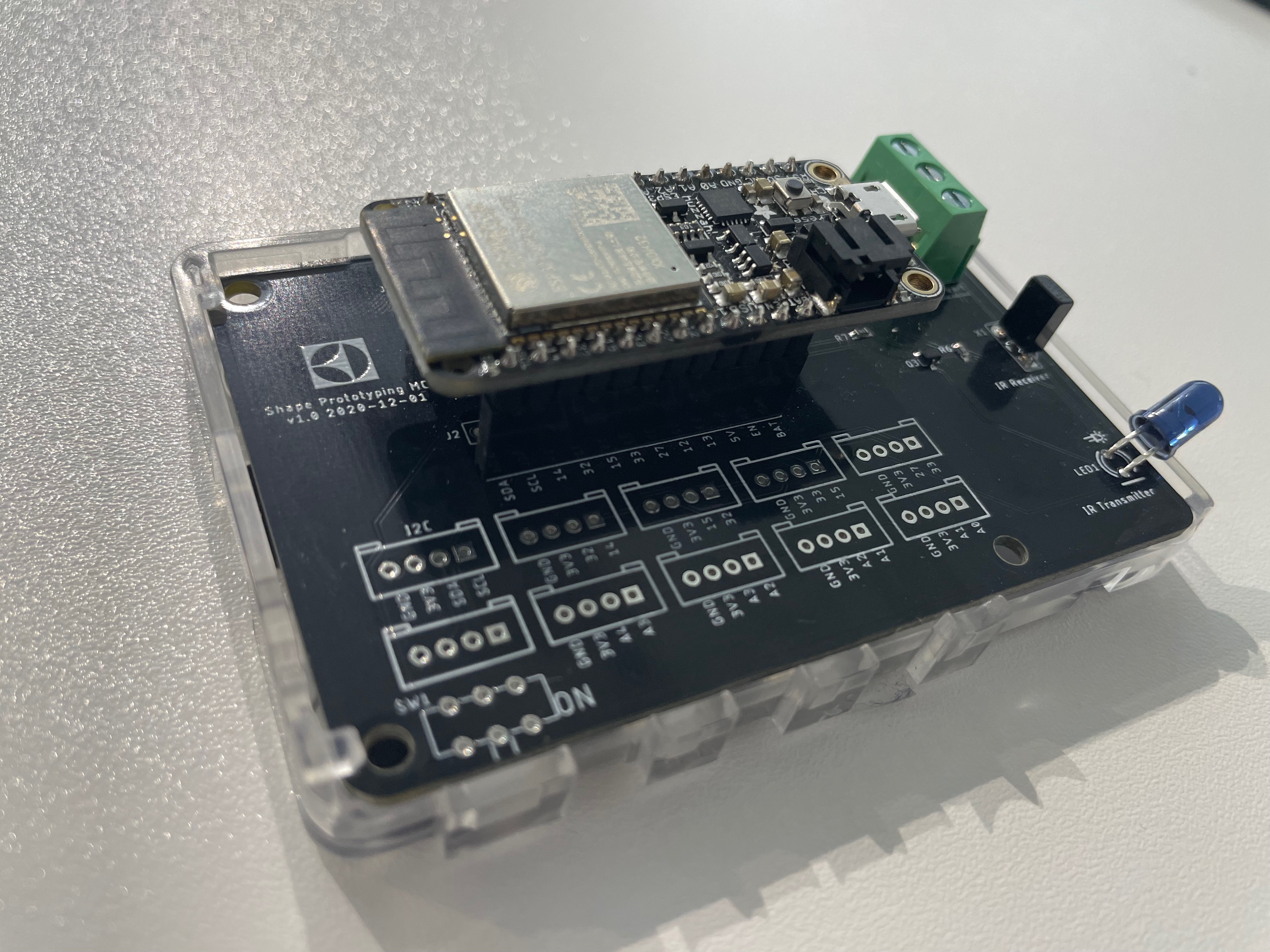
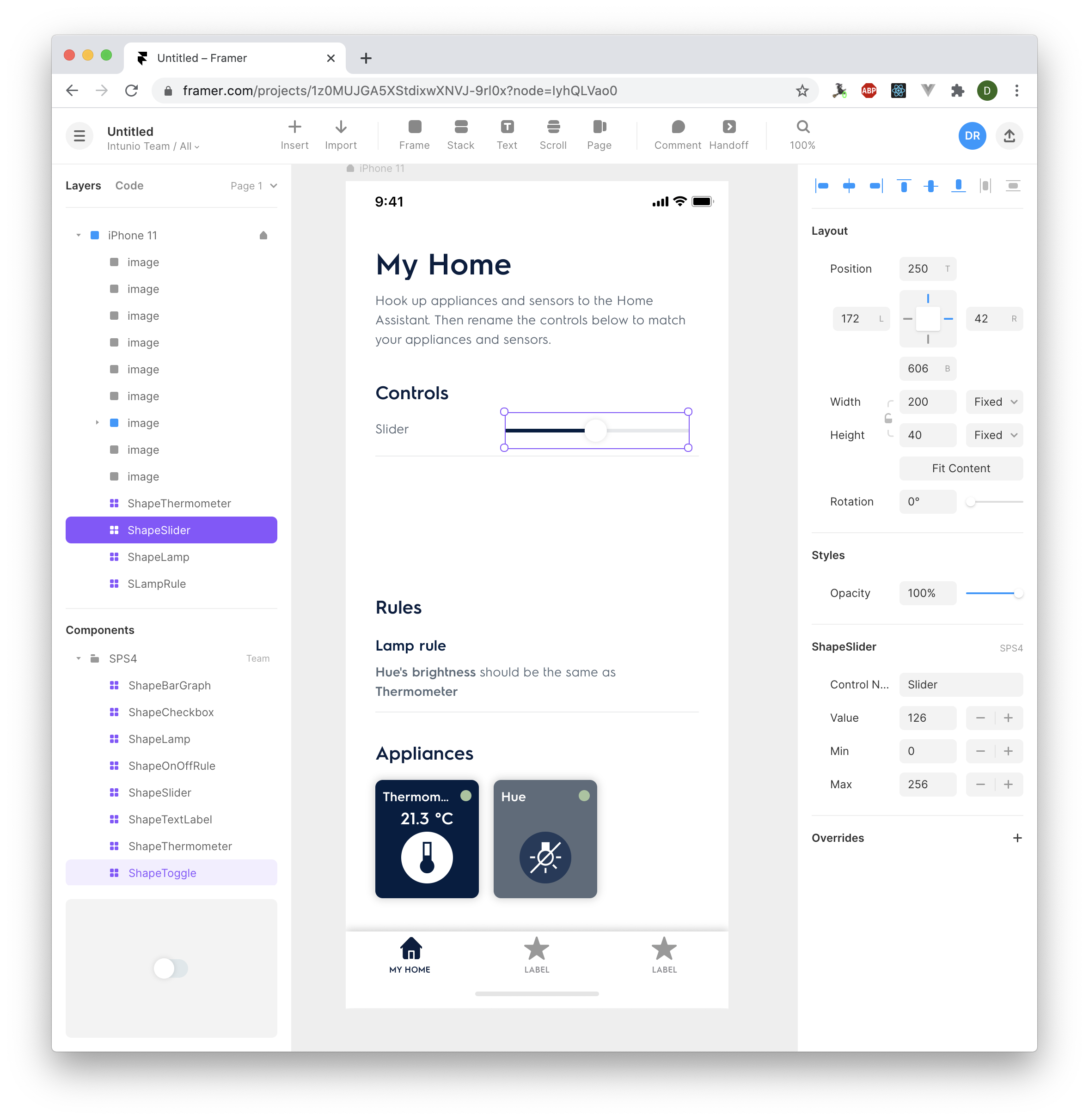
We designed a custom MCU that could communicate with products over the Electrolux messaging bus and testing cloud. The system could talk to existing and future products globally across different communication protocols, making it possible to test new service ideas across product categories.
How the capability evolved
The initiative continued as a creative-technology capability
The prototyping initiative and creative-technology capability continued to evolve after my tenure. Sam Thorne (whom I hired and managed directly) and Frederik Ueberschär, who worked within the wider organization I led, later developed new ways to connect Figma prototypes with physical controls and production-representative appliance displays.
In this Config 2026 presentation, they demonstrate Figma Rotaries and Figma Displays: later tools that enabled designers to test interface behavior, tactile input, scale, color, readability, and viewing conditions using representative physical hardware. They report reducing one design-review cycle from six months to two minutes and distributing the display tools to Electrolux design studios globally.
I did not create the tools shown in this presentation and had no role in the presentation itself. I include it as downstream evidence of how the initiative and organizational capability I established continued to develop under later team leadership.
Outcomes
Faster learning across product, software, and service boundaries
- Improved Electrolux's ability to develop distinctive connected-product interfaces
- Shortened time to market for software products and services
- Supported consistent digital experiences within product categories
- Increased cross-functional collaboration
- Built in-house capability for strategically important connected experiences
Next case study
Automotive InfotainmentA first-of-its-kind in-vehicle broadcast video system with dual remotes, multiple screens, onboarding, payment, and dealership distribution.More work
SHAPE Design System
Electrolux · Director UX · 2019-2021
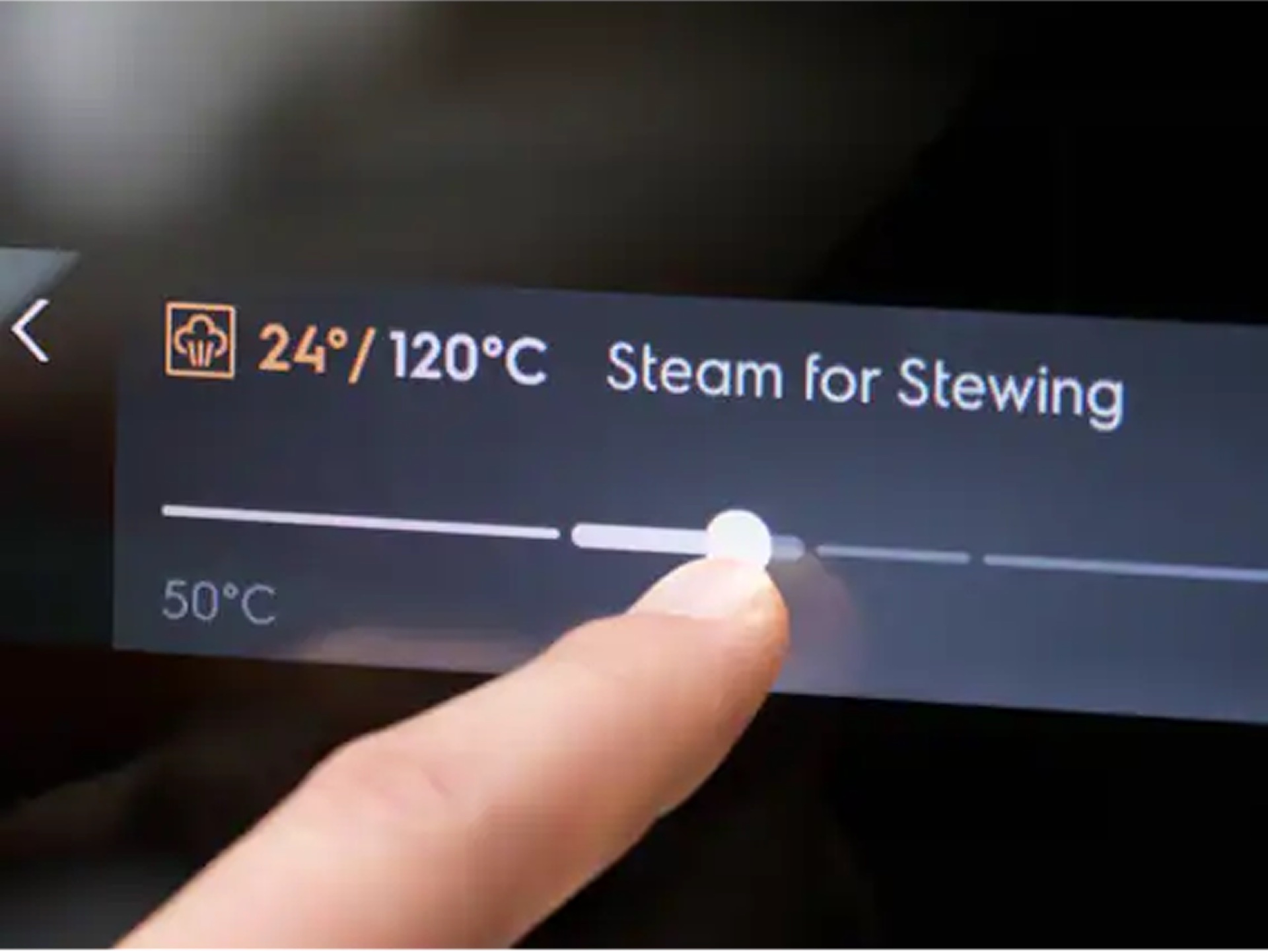
The first global Electrolux design system, spanning mobile apps, physical interfaces, voice, sound, light, and CMF.
Design Systems · Connected Products & Services · Design Leadership & Organization
global UX
Product Experience
Electrolux Group · VP Digital & Service Experience · 2017–2023
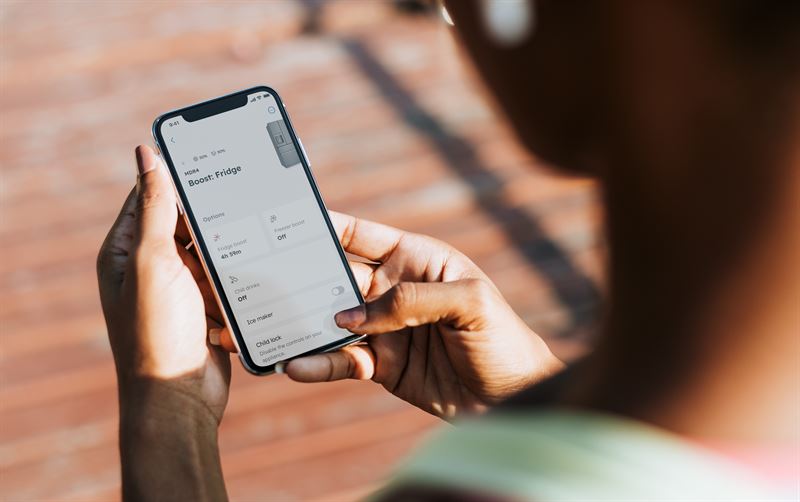
Physical and digital user experiences across a global appliance portfolio spanning Electrolux, AEG, and Frigidaire.
Connected Products & Services · Design Leadership & Organization
embedded UI · mobile applications · appliance UX
Ownership Experience
Electrolux · VP Digital & Service Design · 2020–2022
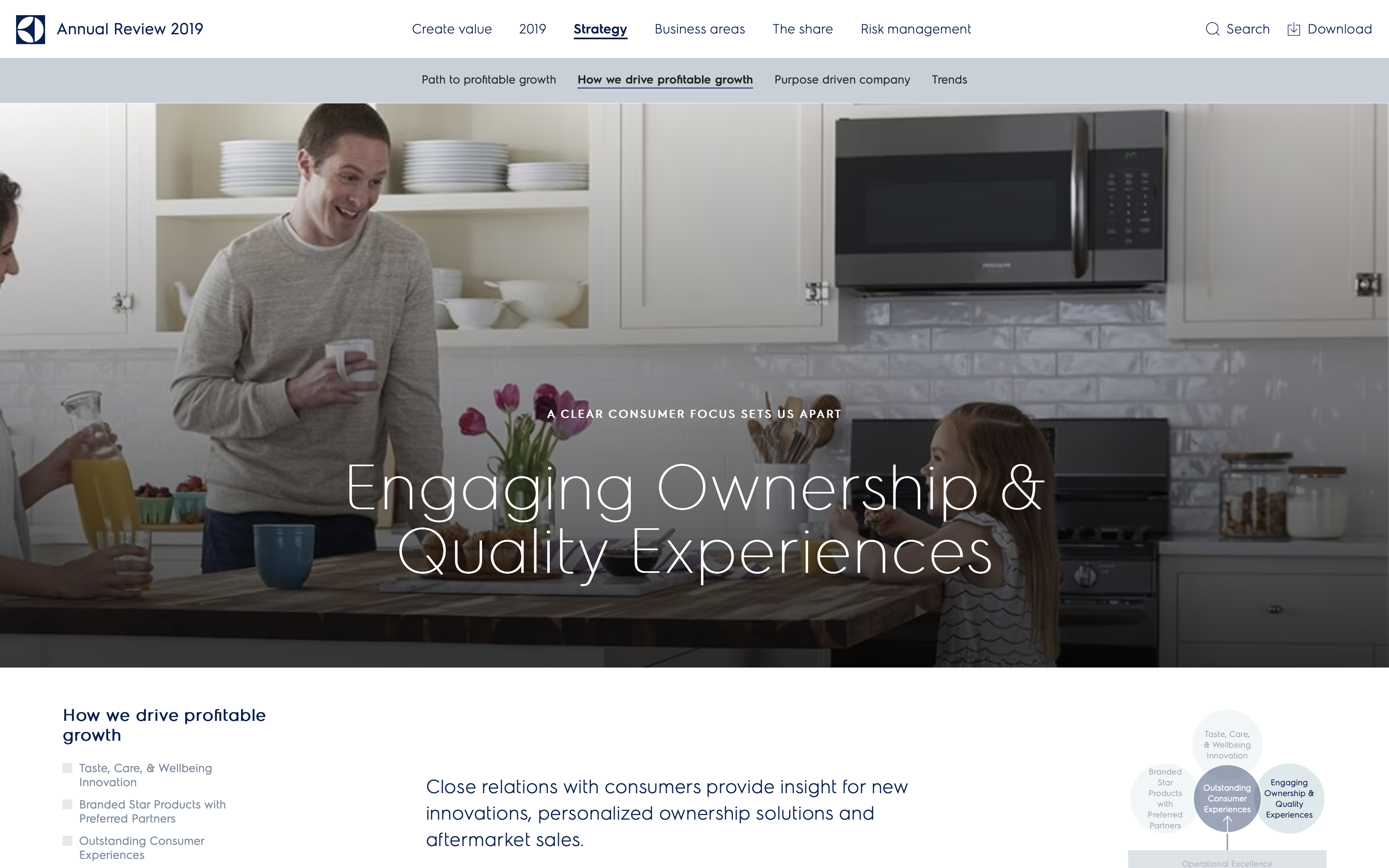
A global program to shift appliance ownership from one-time purchase thinking toward lifecycle services, support, onboarding, repair, and repurchase.
Service Design · Connected Products & Services
customer journey · transformation · connected services