Portfolio/Design Systems
2019-2021
SHAPE Design System / Electrolux / 2019-2021
SHAPE: a global design system for a house of brands
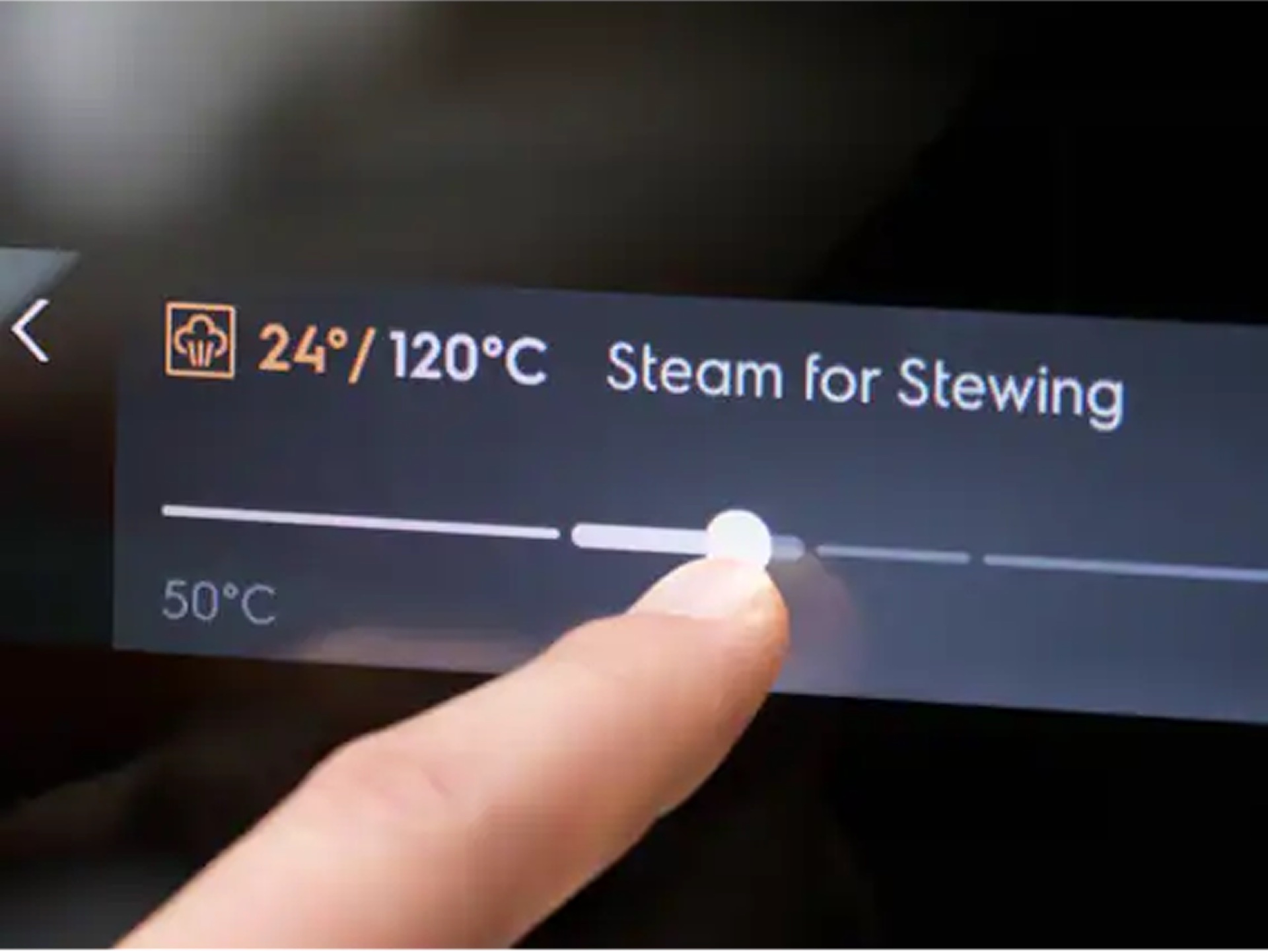
The first global Electrolux design system, spanning mobile apps, physical interfaces, voice, sound, light, and CMF.
I named and spearheaded SHAPE as the foundation for a new global UX organization, aligning product craft, technology, and ways of working across a house of brands.
- Design Systems
- Connected Products & Services
- Design Leadership & Organization
Company
Electrolux
Role
Director UX
Period
2019–2021
Delivery
SHAPE v1.0–v3.0
Contribution
Proposed, named, resourced, and led the global design-system program, governance, and organization.
Context
Creating a common product language without flattening the brands
When I joined Electrolux, there was no global UX design function. Strong regional teams were solving similar product problems independently, with little infrastructure for sharing the best work.
I was hired to create a global design organization that could strengthen the brand experience while reducing repeated effort across business units and regions.
SHAPE became the first major initiative I spearheaded. It created a shared foundation for digital products, physical interfaces, voice, sound, light, and color, material, and finish.
44
Mobile applications in the starting landscape
Internal project research
~30
Designers in the global working groups
Program record
3
Major versions delivered, v1.0 to v3.0
Program record
The count of 44 describes the landscape the program inherited. It is internal project research, not a public performance metric.
Challenge
The hard part was alignment, not components
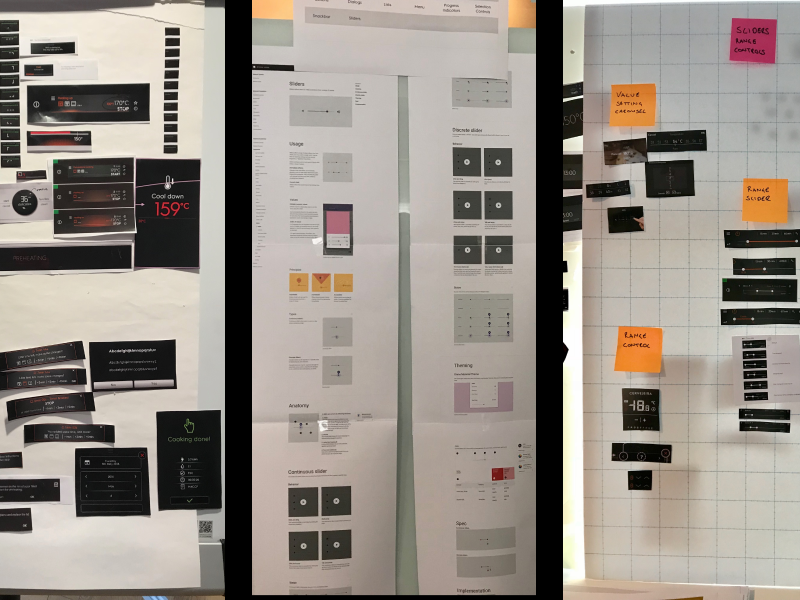
Design systems were still a relatively new idea, and there were few established tools or case studies to follow. The deeper challenge was cultural: bringing geographically dispersed teams into a common way of working.
Common foundations
Reusable interaction patterns and technology choices had to work across mobile, embedded interfaces, voice, and other product modalities.
Flexible expression
Because Electrolux is a house of brands, the system needed to enable distinct brand expressions without recreating core UX for every product line.
My contribution
I built the program around the system
The work extended far beyond a UI kit. I was accountable for making the case, creating the conditions for delivery, and turning the system into a durable organizational capability.
I proposed and named SHAPE, secured budget and resources, wrote the agency RFP, led procurement and partner selection, and owned the delivery of versions 1.0 through 3.0. The work required a program and an organization, not a one-off library.
- Proposed the program and secured the budget, resources, and timeline.
- Owned the overall delivery of SHAPE v1.0, v2.0, and v3.0.
- Wrote the RFP and led agency selection through purchasing.
- Organized global working groups of roughly 30 designers.
- Created governance, contribution models, and working processes.
- Recruited dedicated design-system leadership and design roles.
What the program was made of
People
Global design organization
Working groups of roughly 30 designers brought regional expertise into shared decisions and helped the new global UX function earn legitimacy.
Operating model
Governance and contribution
Contribution rules, review practices, ownership, training, and dedicated roles allowed the system to evolve without becoming a central-team bottleneck.
Delivery
Toolchain and components
Shared libraries, design tooling, documentation, and reusable implementation patterns connected product design to engineering delivery.
Program
Funding and stewardship
Budget ownership, procurement, vendor management, roadmaps, and executive alignment kept the work operating as a long-term product program.
Approach
One system, many brands
Electrolux is a house of brands. SHAPE therefore separated shared structure from adaptable expression, so each brand could look like itself on a common foundation.
That model allowed Electrolux, AEG, and other group brands to share product logic and engineering foundations without pretending every brand should look identical. The program also gave geographically distributed teams a common language for deciding what should be shared, what should remain product-specific, and how to contribute without losing local knowledge.
Shared structure
- Behavior
- Accessibility
- Layout
- Components
- Interaction patterns
- Technical foundations
Adaptable expression
- Typography
- Color
- Imagery
- Tone
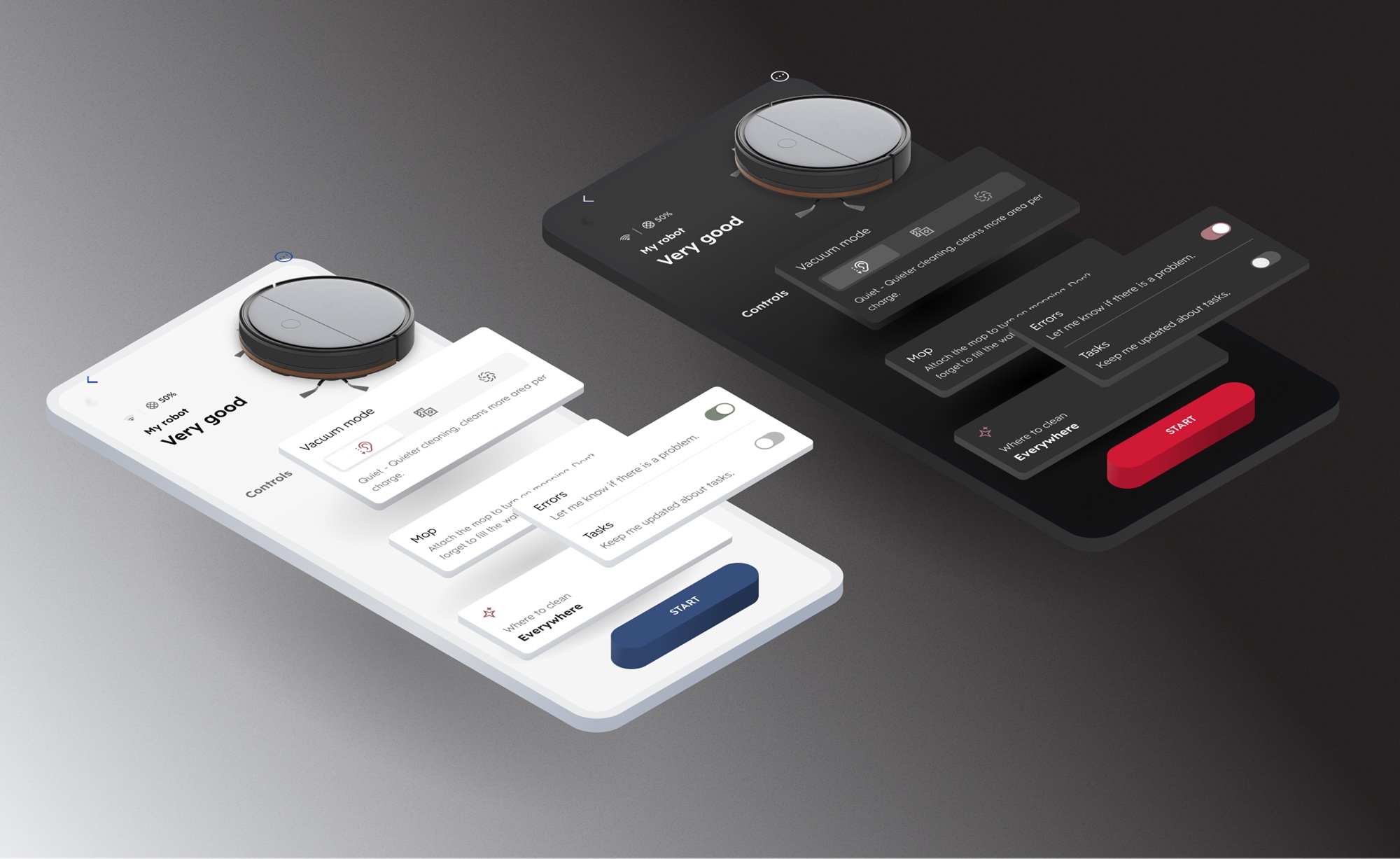
Electrolux later described the same multi-brand principle publicly through design tokens and a one-app strategy.
The system
A product platform, not a static library
I selected an agency partner and we shaped the content, process, and organization together. The system combined reusable UI with governance, tooling, training, and contribution practices.
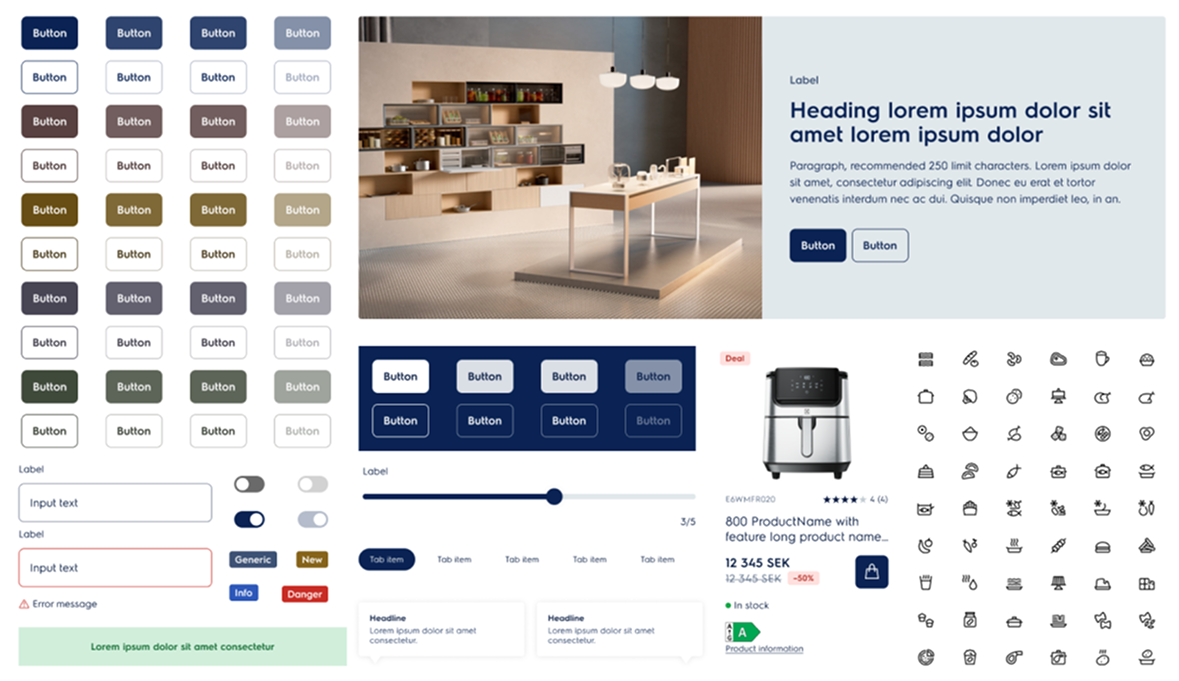
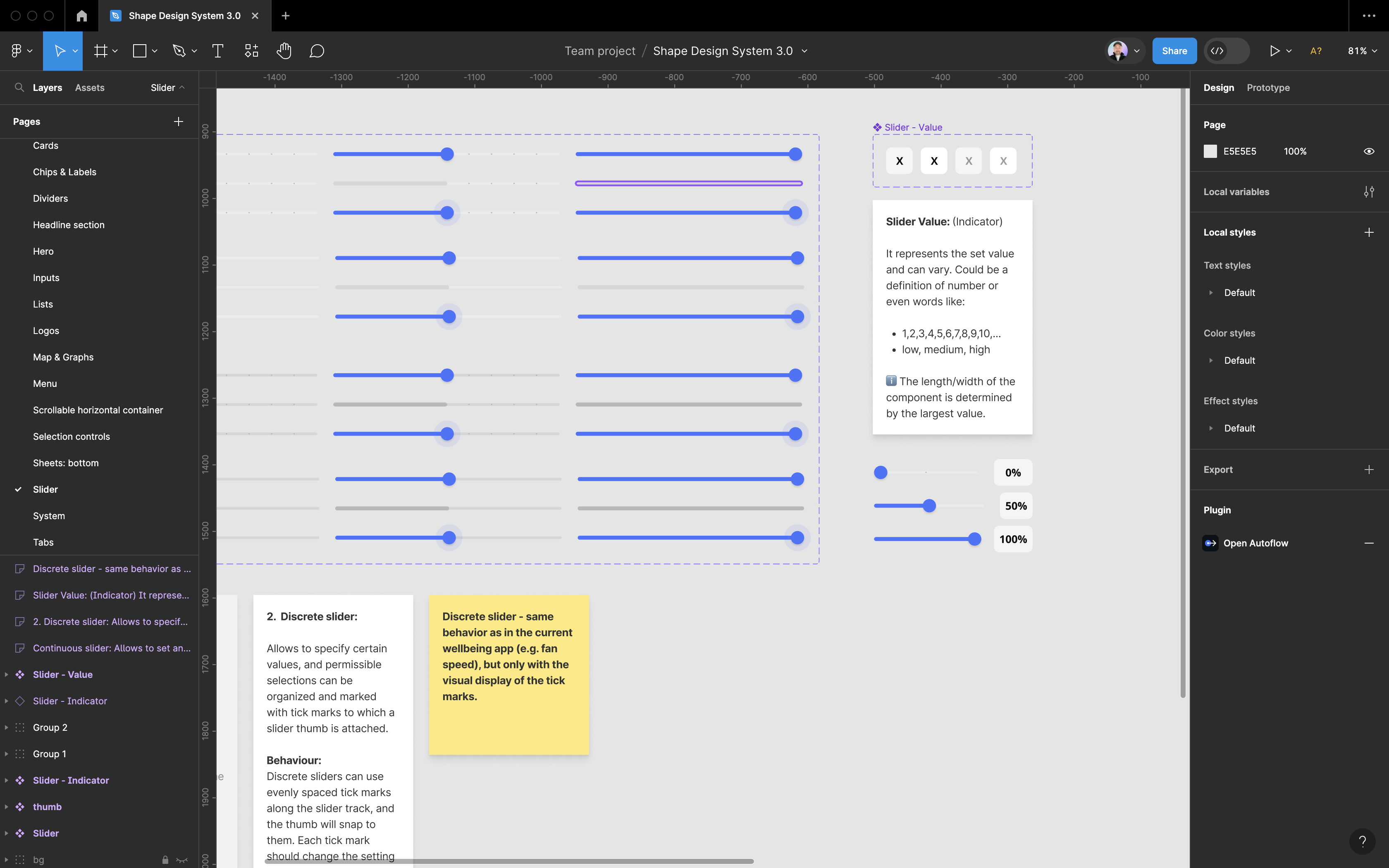
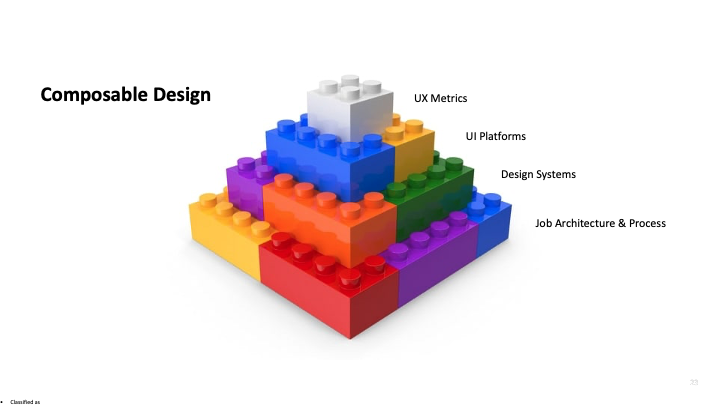
The design system became one layer in a broader operating model. Shared job architecture and process supported the people doing the work; the system and UI platforms supported delivery; UX metrics connected the output to product quality.
This framing helped stakeholders see SHAPE as product infrastructure rather than a design-team artifact.
In products
The direction, as it later reached products
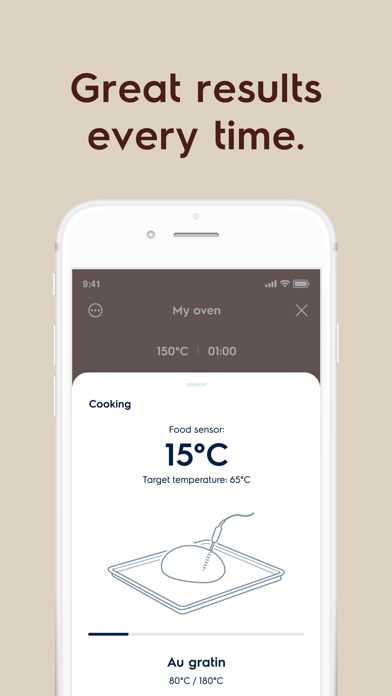
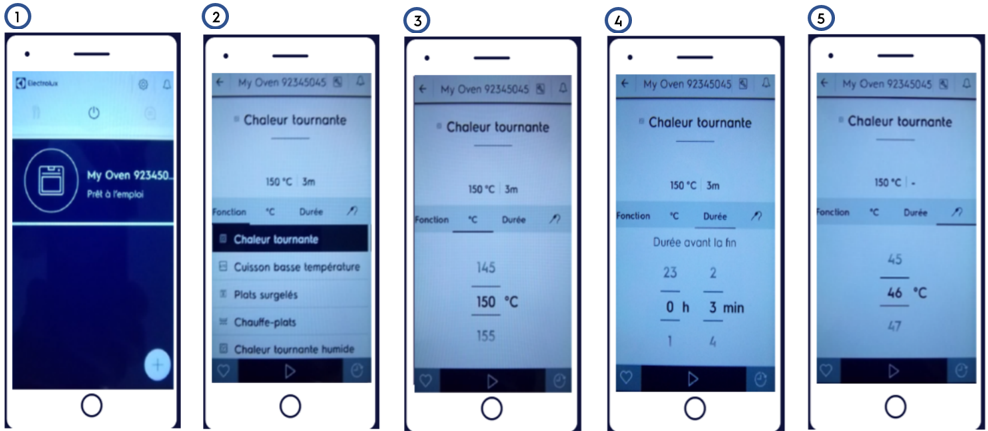
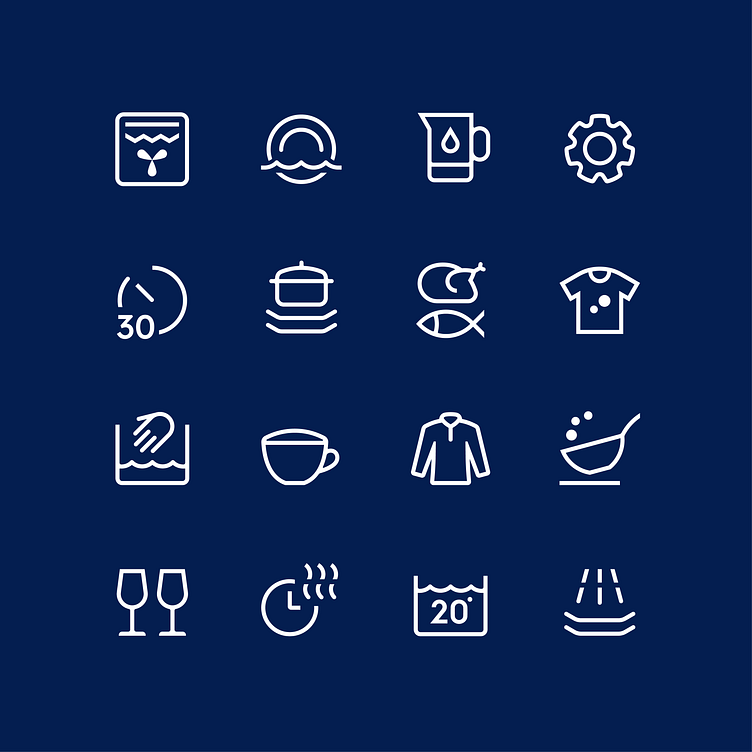
These screens and icons come from later Electrolux products. They show continuity of the product direction, not ownership of every later production detail.
Outcomes
A system that changed both the product direction and the organization
The clearest evidence was not a single launch metric. It was the combination of shipped system versions, global participation, a new consolidation strategy, and permanent organizational ownership.
As reported by Above
66%
Less UI production time
50%
Less front-end development time
100+
Components
100+
Touchpoints
These figures come from Above’s published Electrolux case study. They are attributed third-party case-study claims, not independently audited internal metrics.
Before
- 44 separate mobile applications across the group
- Regional teams solving similar problems independently
- No global UX function to set a common direction
- Little infrastructure for sharing the best work
After
- A move toward one global mobile-product strategy
- Shared foundations with adaptable brand expression
- Governance, contribution practices, training, and dedicated roles
- Brand strategy, reusable components, modular technology, and product measurement connected
System delivery
A global foundation that evolved through three major versions
SHAPE established reusable patterns across mobile, physical interfaces, voice, sound, light, and color, material, and finish.
Product direction
A clearer case for consolidation
The work helped show the value of moving from more than 40 separate mobile apps toward one global app strategy and modular electronics.
Operating model
Design-system work became an organizational capability
Governance, contribution practices, global working groups, and dedicated roles made the system more than a one-time UI library.
Leadership lesson
Adoption depends as much on organization design as interface design. A shared library becomes a system only when teams have the mandate, governance, tools, and incentives to improve it together.
My contribution was creating, funding, organizing, and leading the system and the global conditions that allowed it to reach products.
Part of the same program
- UI Sound DesignA strategic sound-design system for making appliance interactions more useful, human, calm, and brand-consistent.
- Voice Interaction DesignFoundational voice patterns and prototypes for extending the Electrolux design system into spoken interactions.
- Electrolux Prototyping SystemA connected-product prototyping system for repurposing appliances and testing digital, physical, and service experiences together.
Next case study
Product ExperiencePhysical and digital user experiences across a global appliance portfolio spanning Electrolux, AEG, and Frigidaire.More work
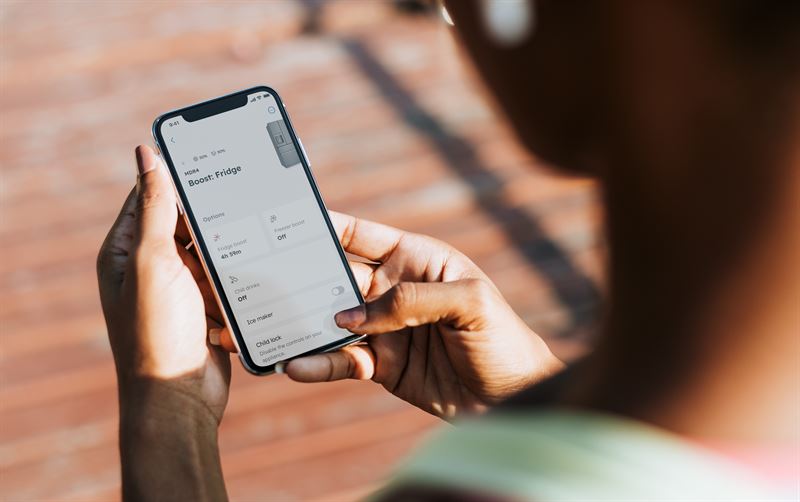
Product Experience
Electrolux Group · VP Digital & Service Experience · 2017–2023
Physical and digital user experiences across a global appliance portfolio spanning Electrolux, AEG, and Frigidaire.
Connected Products & Services · Design Leadership & Organization
embedded UI · mobile applications · appliance UX
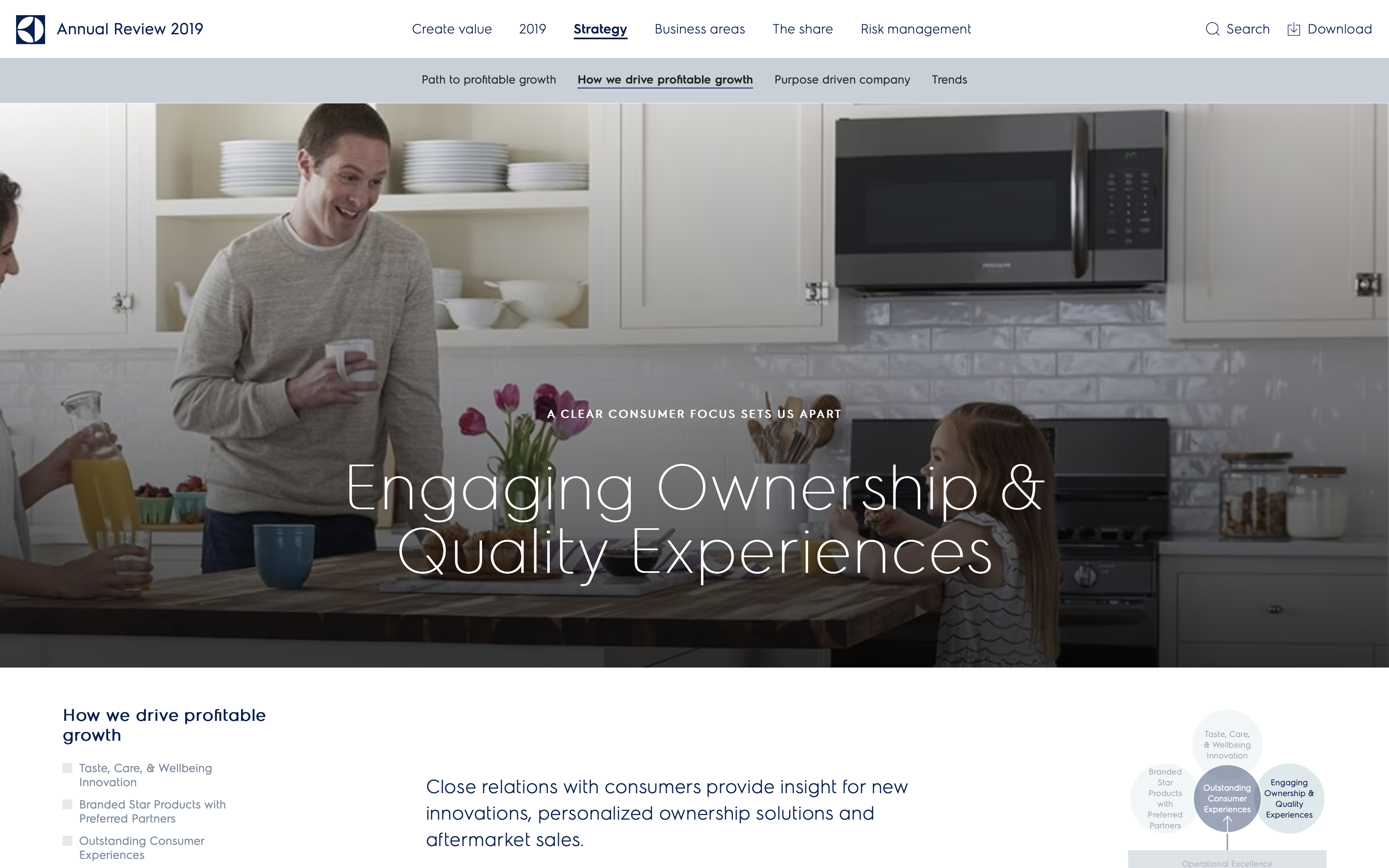
Ownership Experience
Electrolux · VP Digital & Service Design · 2020–2022
A global program to shift appliance ownership from one-time purchase thinking toward lifecycle services, support, onboarding, repair, and repurchase.
Service Design · Connected Products & Services
customer journey · transformation · connected services
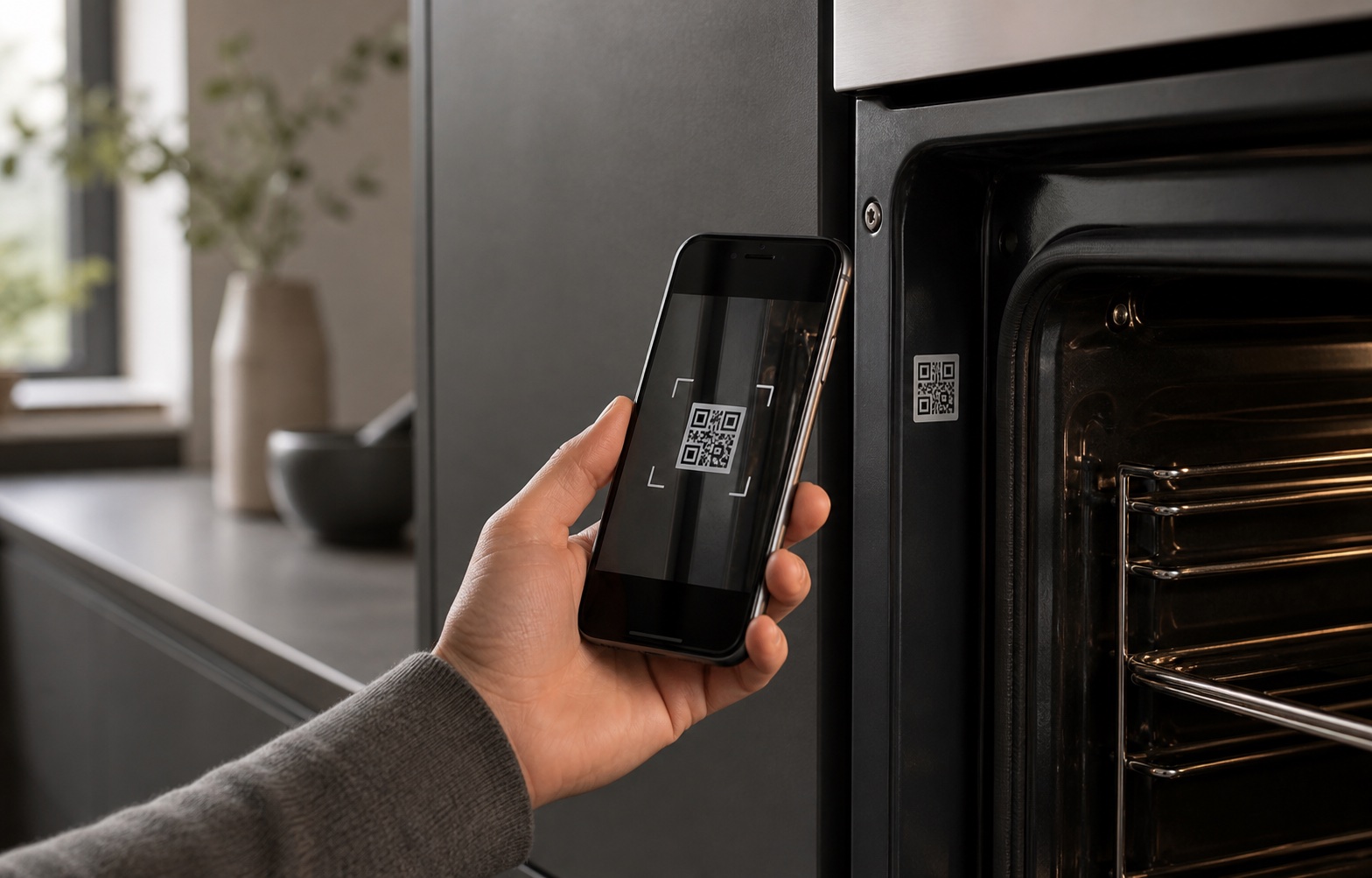
Link
Electrolux · VP Digital & Service Design · 2020–2022
A global QR-code program that connected appliances to lifecycle content, onboarding, support, services, and appliance-specific ownership experiences.
Connected Products & Services · Service Design
QR · ownership experience