Portfolio/Volvo Group
2014–2015
Prototype / Volvo Digital-Physical UX Prototyping System
Prototyping connected driver experiences with real vehicle data
A hardware and software prototyping system for exploring connected driver experiences with real vehicle data and physical controls.
I co-created and led the capability, connecting UX, creative technology, vehicle data, physical controls, mobile interfaces, and service concepts.
- Prototyping
- Mobility & Automotive
- Connected Products & Services
- Company
- Volvo Group
- Role
- Head of UX
- Period
- 2014–2015
- Type
- Prototype
- Delivery
- Working vehicle-data platform
Contribution
Co-created and led the prototyping capability: its technical and experience architecture and the collaboration across design, product, and engineering. The downstream truck interfaces are shown as production lineage, not as my design.
At a glance
- CAN + LIN data
- Physical controls
- In-house capability
Context
Static screens could not represent the connected driver experience
I co-created and led a prototyping system that helped Volvo teams explore connected driver experiences across hardware, software, sensors, and services.
The challenge was to prototype a holistic experience when mobile apps, APIs, cloud services, vehicle data, physical controls, and in-car interactions all need to work together. Static screens and transition charts could not make those relationships tangible enough to evaluate.
My contribution
Create a shared bridge between experience design and vehicle technology
I connected UX, creative technology, vehicle data, physical controls, mobile interfaces, and service concepts around a reusable prototyping capability.
- Co-created the technical and experience architecture
- Framed the system around realistic vehicle states and end-to-end journeys
- Led collaboration across design, product, and engineering
- Used tangible prototypes to replace unnecessary specification overhead
System design
Replay real vehicle data through flexible physical controls
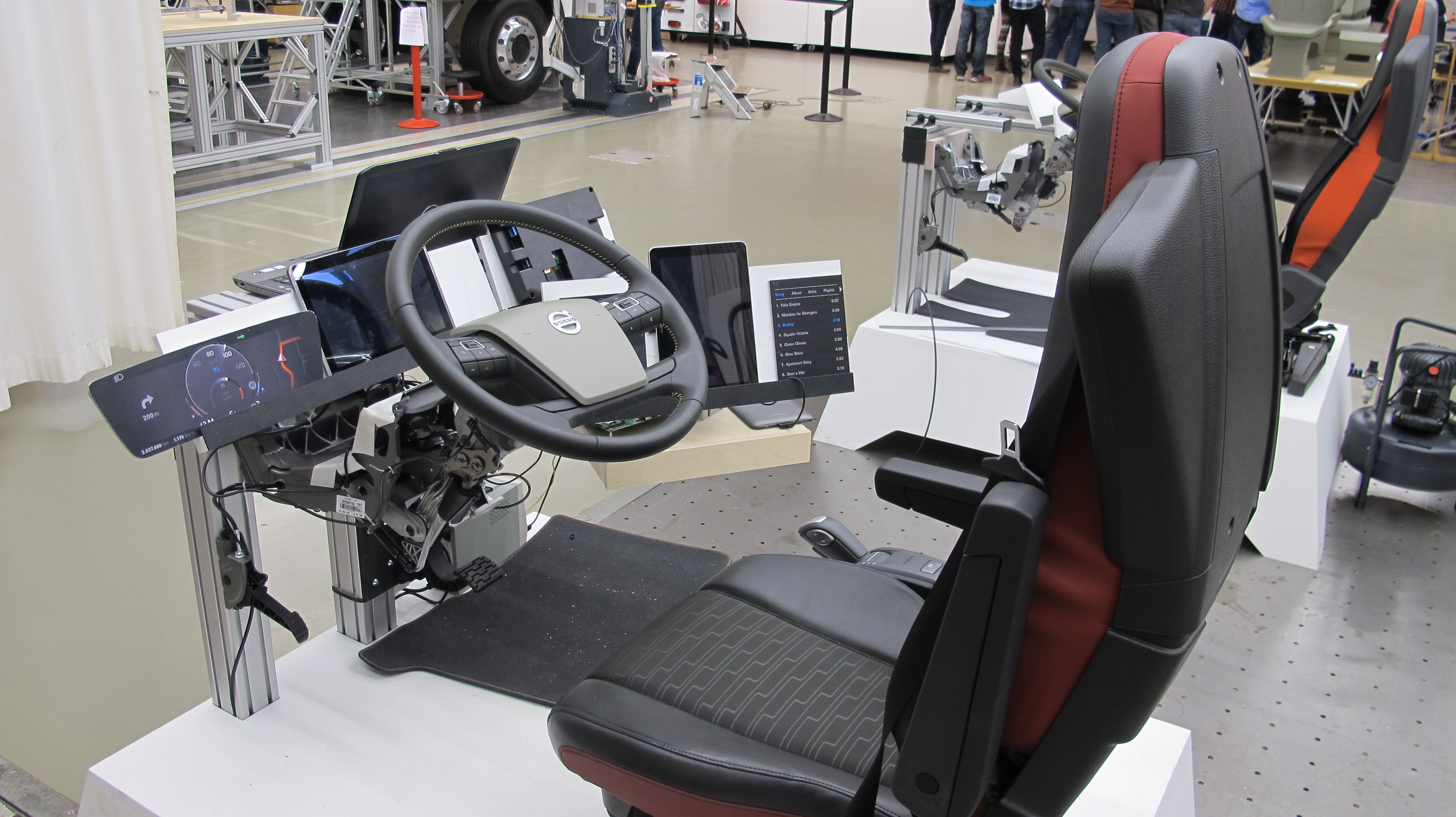
The system used tablets, Arduino, 3D-printed controls, and a custom CMS that could ingest and replay captured CAN and LIN data. This made it possible to test interaction models with realistic vehicle states while keeping the physical setup flexible enough to change quickly.
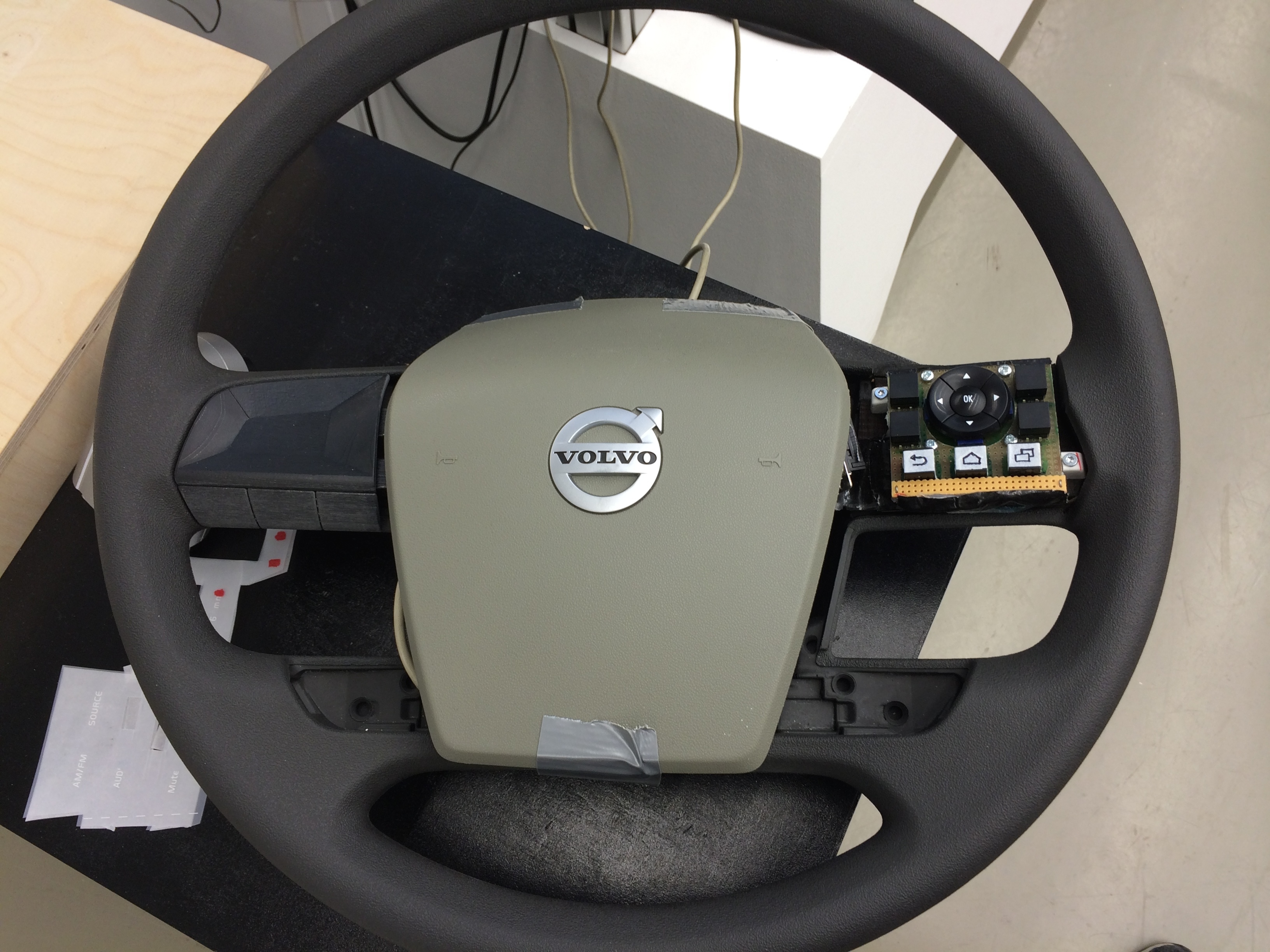
These environments made it possible to visualize, test, and discuss connected-product ideas earlier and with higher fidelity than static screens. They also helped bridge technical and creative execution without increasing documentation overhead.
Outcomes
An in-house capability for earlier, higher-fidelity decisions
- Improved Volvo's ability to develop distinctive connected-product interfaces
- Shortened the path from concept to testable driver experience
- Increased cross-functional collaboration between design, technology, and product teams
- Built in-house capability for strategically important connected experiences
Downstream production lineage
A system for complete driver environments
The system was designed to explore more than one screen. It connected vehicle state, glanceable primary information, secondary touch interfaces, steering-wheel and physical controls, connected services, and the living environment inside the cab.
Public launches from 2017–2018 make that whole-environment problem visible across Volvo Trucks, Mack Trucks, and Renault Trucks. The repeated architecture is consistent with the system-level direction we were helping Volvo Group explore in 2014–2015: driver information in the cluster, deeper tasks on a secondary display, frequent actions near the driver's hands, and physical controls retained for safety-critical and work-specific tasks. These are public production references, not interfaces I claim to have personally designed.
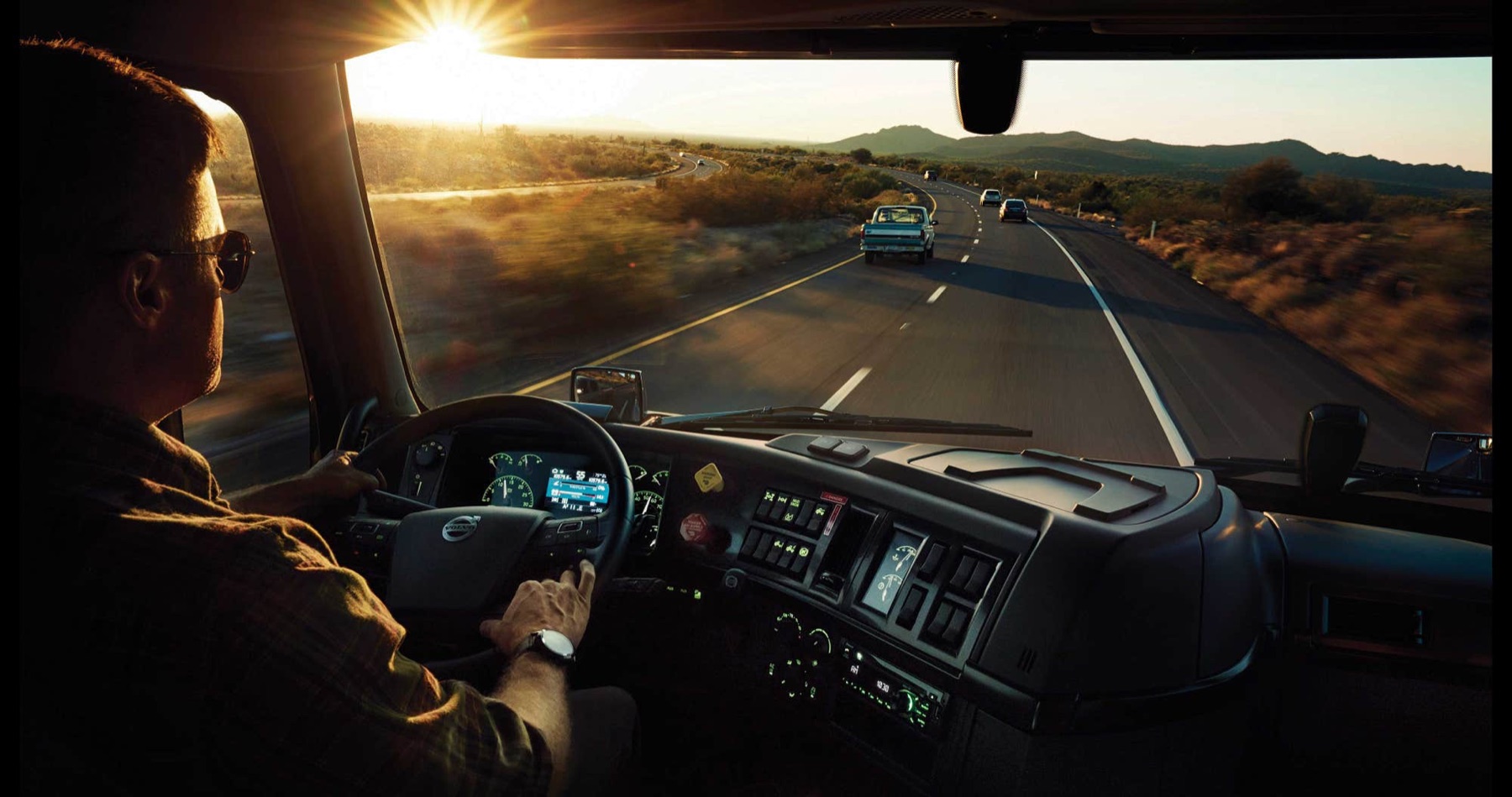
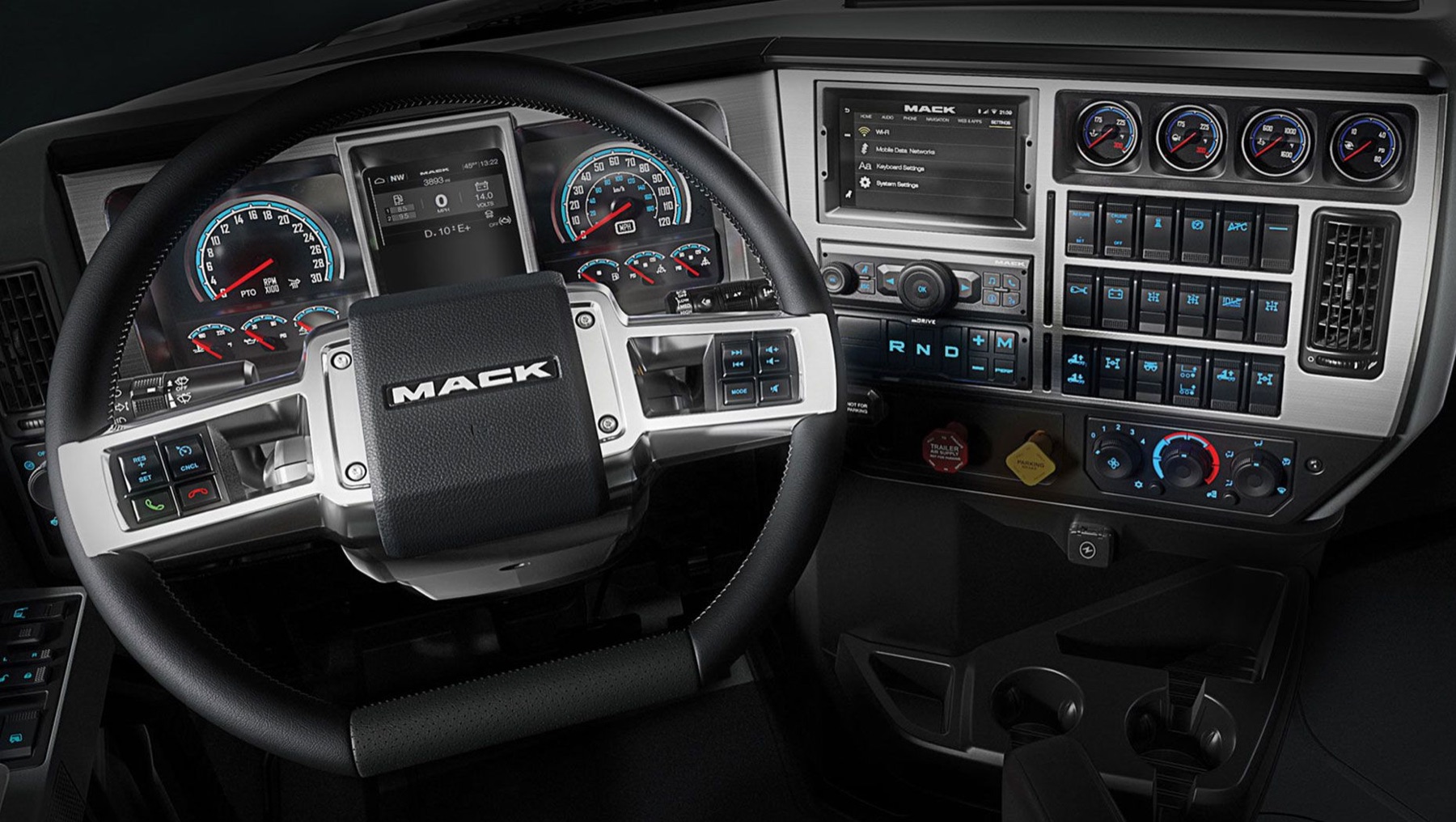
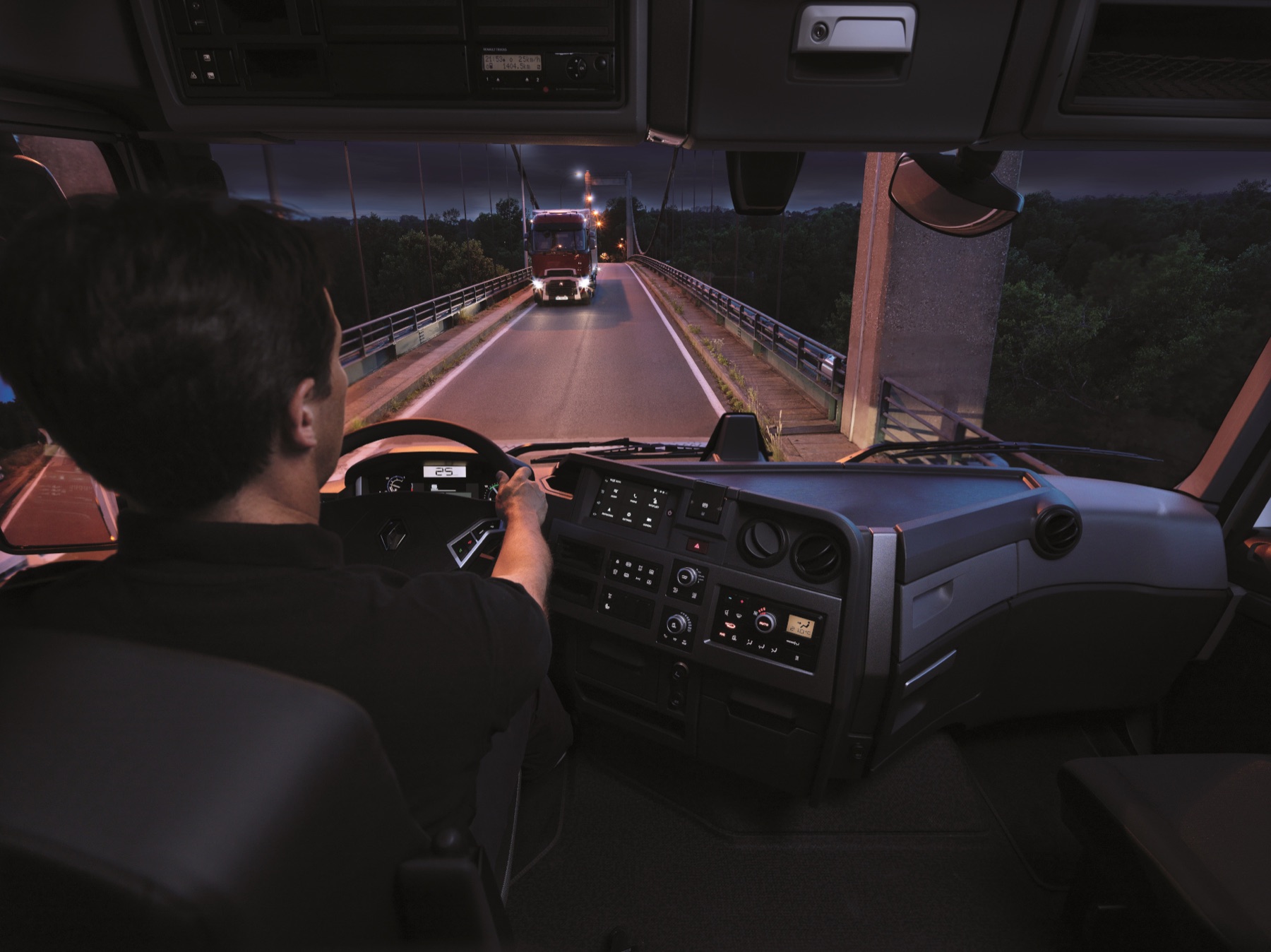
These examples demonstrate downstream product lineage and the breadth of the systems problem; they do not establish individual authorship, a shared production codebase, or direct causation.
The rollout spanned regional, long-haul, vocational, construction, and heavy-haul vehicles. Its significance is not visual similarity alone, but the recurring balance between digital information, touch interfaces, nearby physical controls, and the larger driver environment.
2017–2018
Concentrated production rollout
Official product launch materials
3
Volvo Group truck brands
Volvo Trucks, Mack Trucks, Renault Trucks
10
Named vehicle families or ranges
Public launch record
Production references
Official launch evidence
Next case study
Digital Design LanguageA cross-functional digital design language effort to unify Volvo mobile applications and establish reusable digital-product patterns.More work
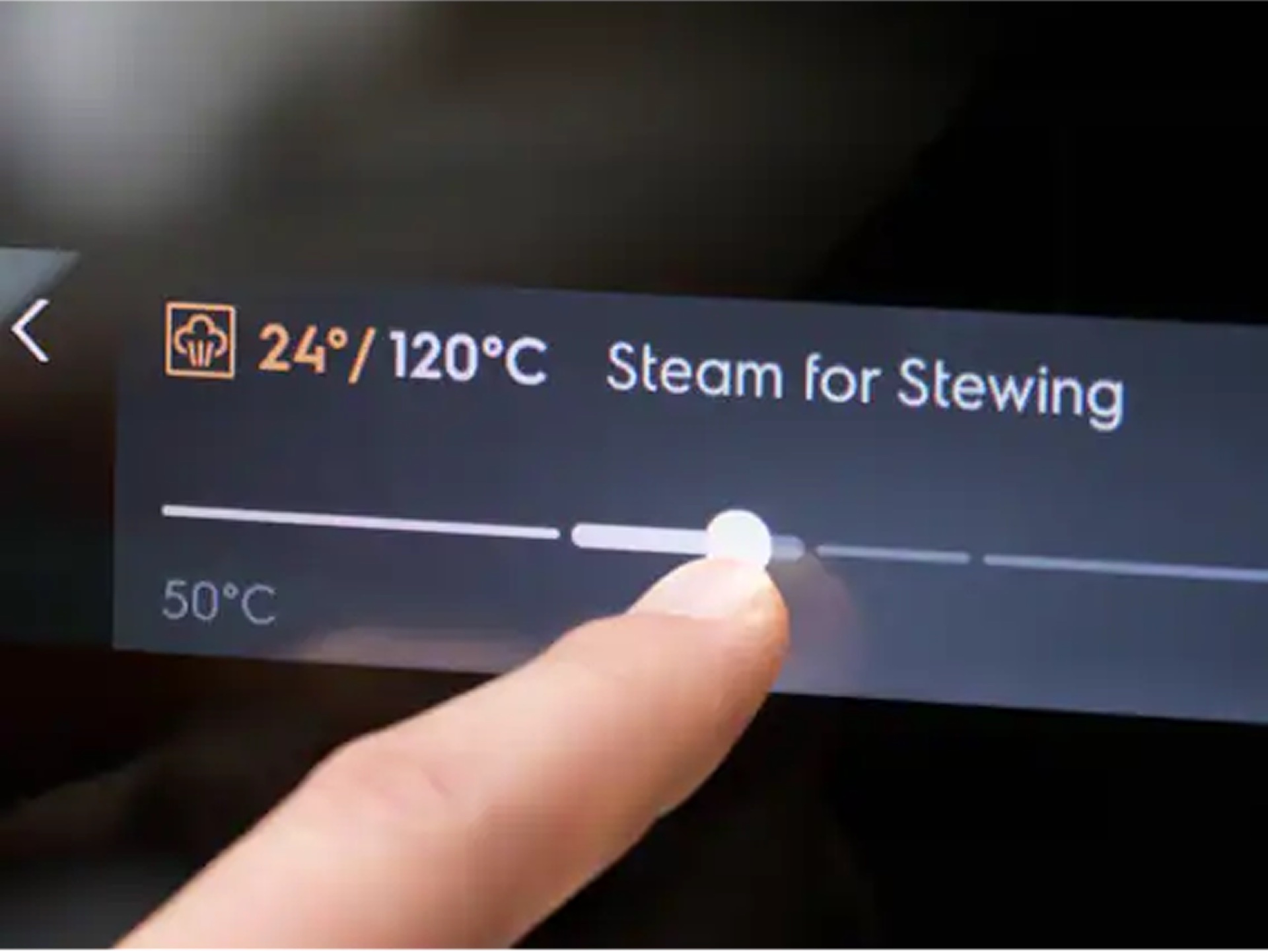
SHAPE Design System
Electrolux · Director UX · 2019-2021
The first global Electrolux design system, spanning mobile apps, physical interfaces, voice, sound, light, and CMF.
Design Systems · Connected Products & Services · Design Leadership & Organization
global UX
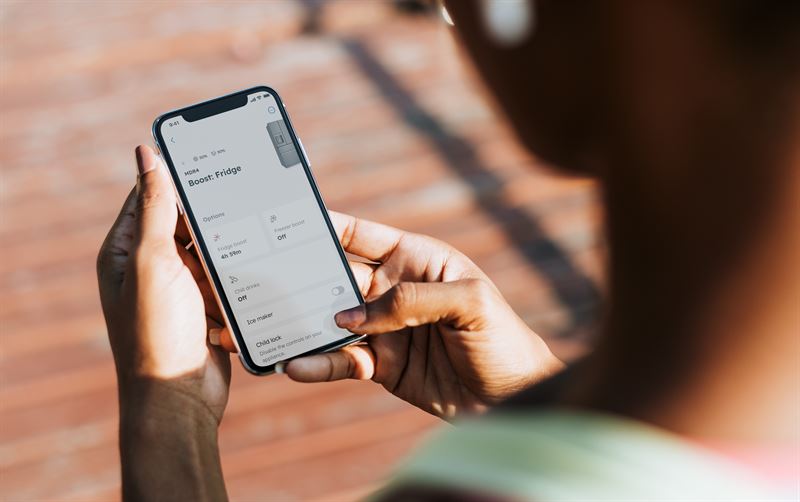
Product Experience
Electrolux Group · VP Digital & Service Experience · 2017–2023
Physical and digital user experiences across a global appliance portfolio spanning Electrolux, AEG, and Frigidaire.
Connected Products & Services · Design Leadership & Organization
embedded UI · mobile applications · appliance UX
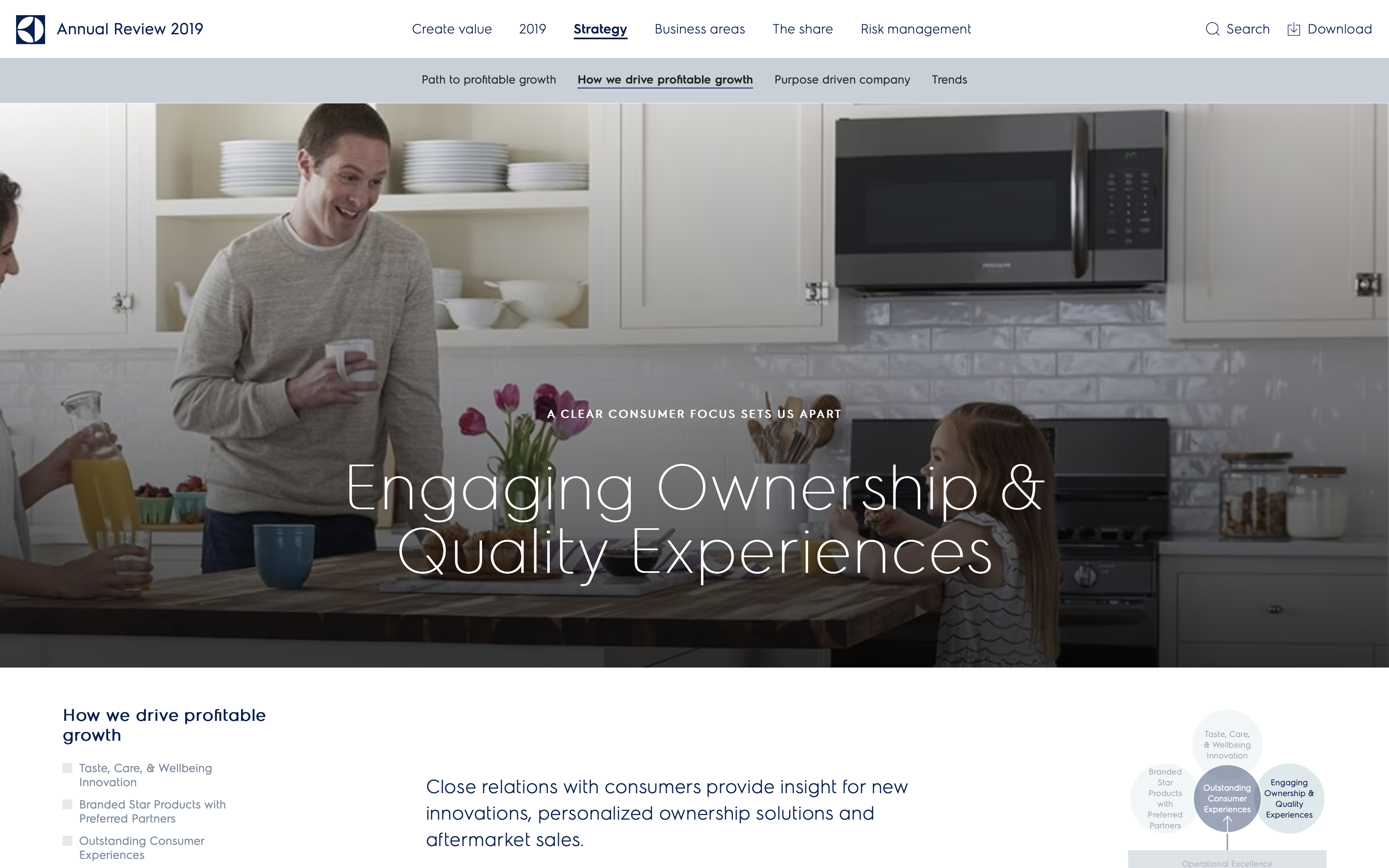
Ownership Experience
Electrolux · VP Digital & Service Design · 2020–2022
A global program to shift appliance ownership from one-time purchase thinking toward lifecycle services, support, onboarding, repair, and repurchase.
Service Design · Connected Products & Services
customer journey · transformation · connected services