Portfolio/Ericsson
2013
System / Packet Core Software Upgrade Experience
Making the human complexity of packet-core upgrades visible
A user-centered redesign program for the packet-core software upgrade process, turning risky, manual, months-long upgrade work into a clearer target experience.
I led research and experience definition across a complex telecom upgrade journey, translating field work into role models, task maps, prototypes, and a target experience.
- Enterprise UX
- Service Design
- Company
- Ericsson
- Role
- Experience design lead
- Period
- 2013
- Type
- System
- Delivery
- Research + target experience
Contribution
Led research, task and role mapping, journey design, prototyping, testing, co-design, and experience recommendations.
At a glance
- Months-long journey
- Mission-critical workflow
- Research to co-design
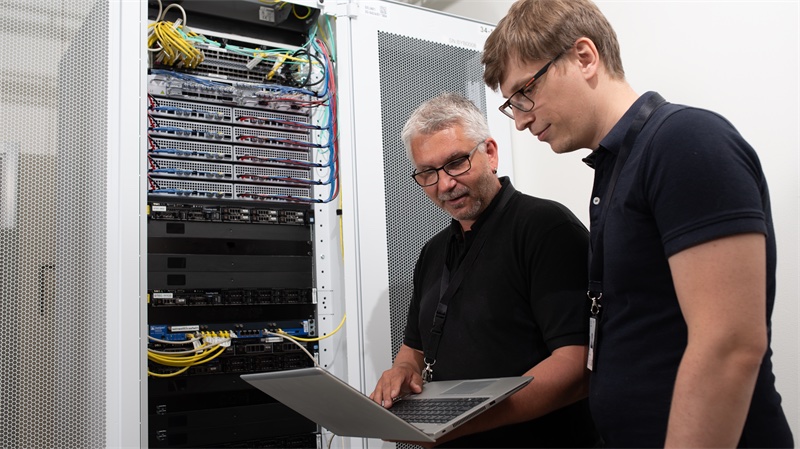
This project made the human and operational complexity of packet-core software upgrades visible. Telecom operators were coordinating high-risk work across planning, lab preparation, compatibility checks, change windows, execution, rollback, verification, and handover, often through fragmented documentation and tacit knowledge.
Why the journey mattered
The internal objective was direct: create the best software upgrade experience for customers. The existing experience was slow, difficult to coordinate, and dominated by operational risk. Customer lab testing could run for months before pre-checks, installation, post-checks, and rollout. A product fault could invalidate the plan, delay implementation by weeks, and force multiple teams back into replanning.
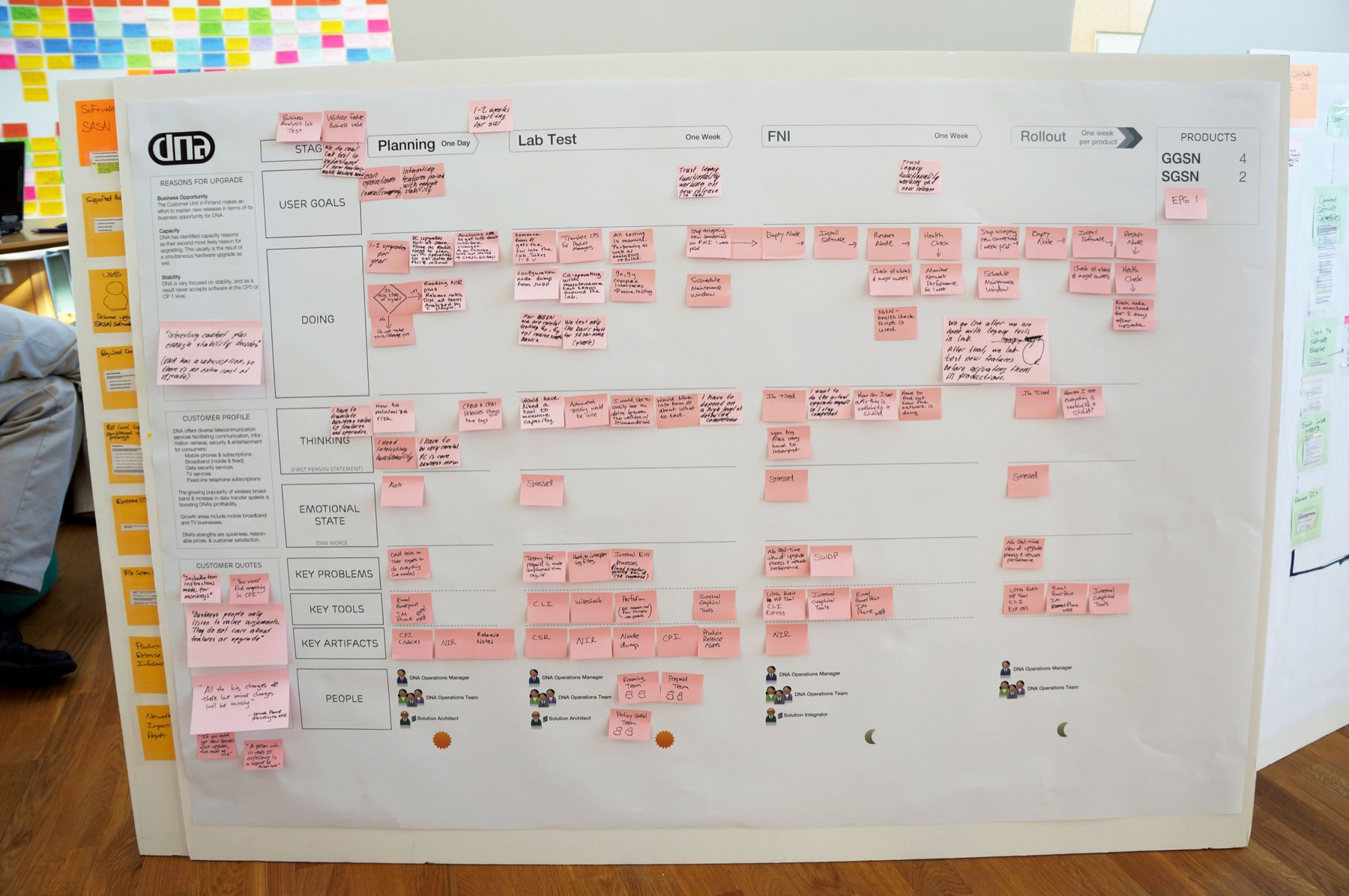
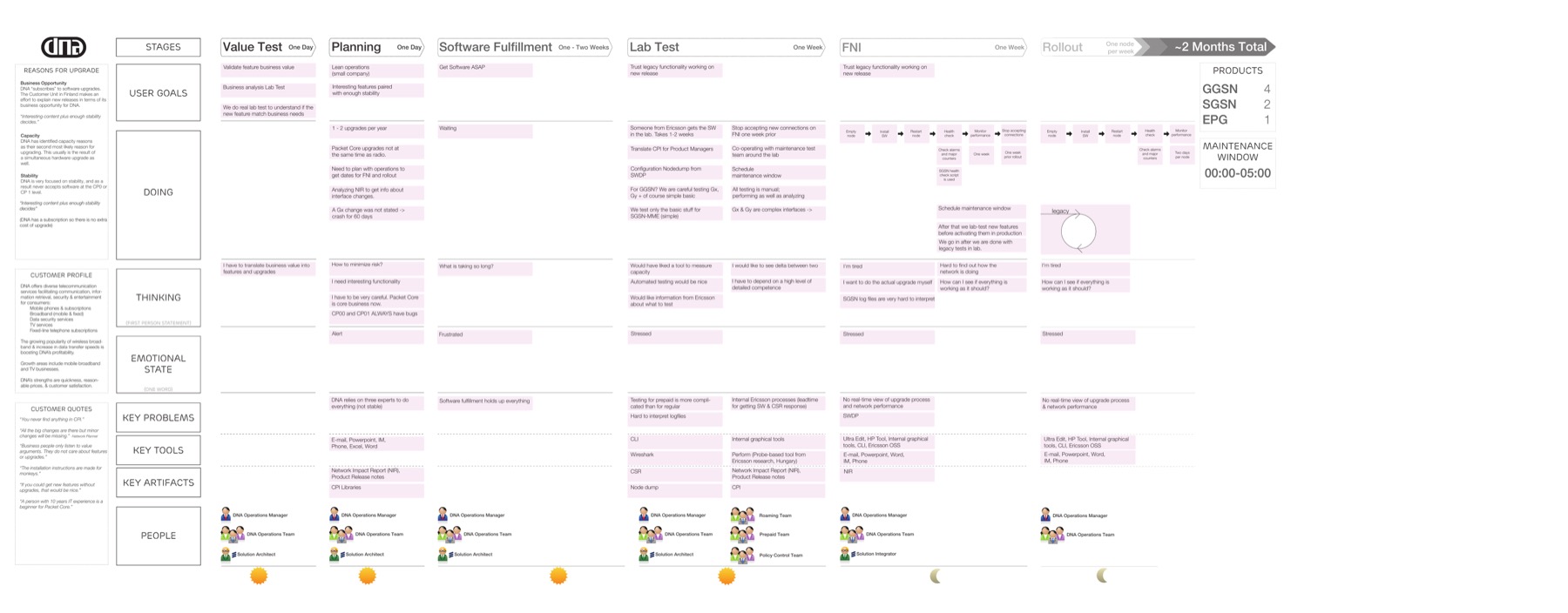
The research combined interviews, task mapping, empathy maps, journey mapping, prototyping, remote testing, and co-design with OSS stakeholders.
End-to-end upgrade journey
Prepare
Planning
Define scope, release intent, dependencies, success criteria, customer constraints, and accountable roles.
Prepare
Lab preparation
Reproduce a credible environment, collect required artifacts, and establish a known starting state.
Validate
Compatibility
Check software, hardware, configuration, dependencies, and product faults before entering the change window.
Decide
Change window
Confirm approvals, timing, communications, access, escalation paths, and go/no-go evidence.
Act
Execution
Run the upgrade with visible progress, shared status, and clear ownership of intervention points.
Recover
Rollback
Maintain an understood recovery path with explicit triggers, time limits, and decision authority.
Validate
Verification
Check alarms, KPIs, services, configuration, and customer-defined acceptance criteria.
Close
Handover
Transfer system state, evidence, remaining risks, and follow-up ownership into operations.
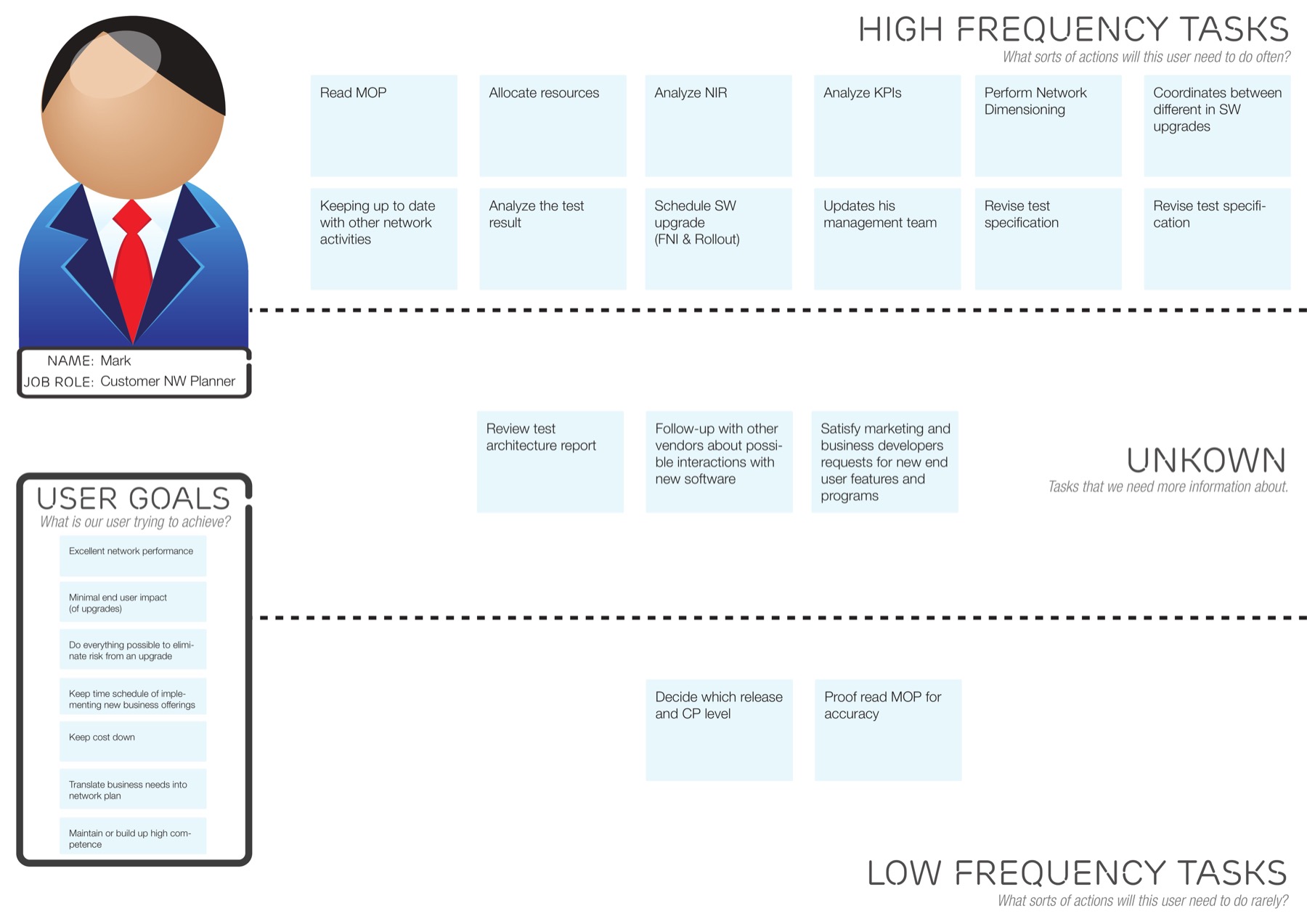
Roles, goals, and handoffs
Plan and coordinate
Network planner
Protect service continuity by defining scope, dependencies, maintenance windows, KPI expectations, and the evidence required for a safe decision. Handoff: an executable, approved plan.
Prepare and validate
Lab engineer
Recreate the relevant environment, expose compatibility problems, validate preconditions, and document the known lab state. Handoff: credible readiness evidence.
Execute and decide
Deployment lead
Coordinate the change window, sequence work, keep status legible, escalate issues, and manage go/no-go or rollback decisions. Handoff: verified execution state.
Verify and operate
Operator
Confirm live-network health, interpret alarms and KPIs, accept the upgraded system, and own remaining operational follow-up. Handoff: stable service and recorded exceptions.
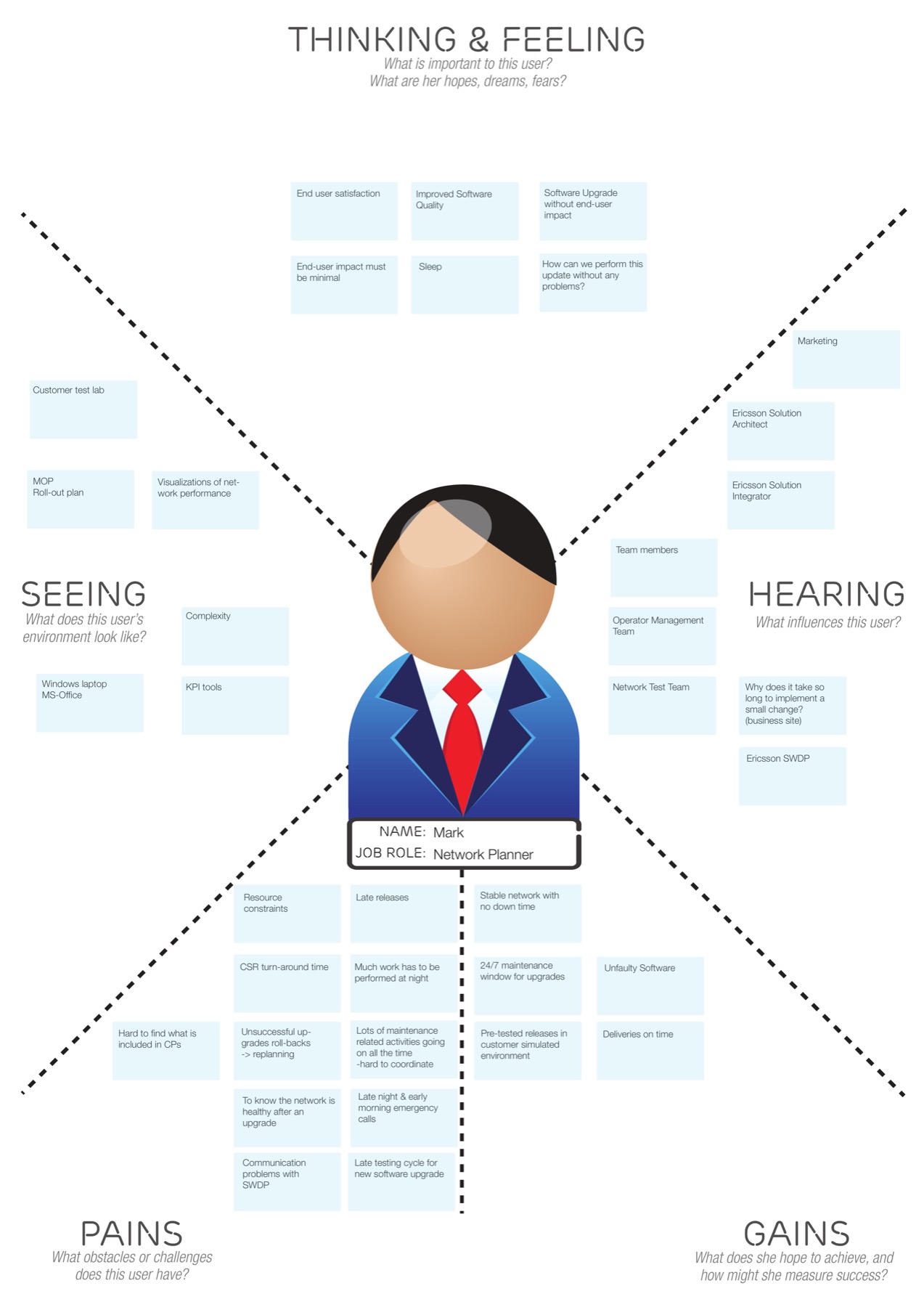
Failure modes the service had to expose
Compatibility risk
Wrong dependency
A missing or incompatible software, hardware, configuration, or documentation dependency can invalidate the plan late in the process.
Evidence risk
Incomplete lab state
Tests cannot create confidence when the environment, starting condition, evidence, or deviations are unclear.
Coordination risk
Ambiguous ownership
Work stalls when teams cannot see who owns the next action, escalation, approval, or customer decision.
Timing risk
Delayed decision
A late go/no-go choice consumes the change window and increases pressure on execution and verification.
Operational risk
Rollback uncertainty
Recovery becomes dangerous when triggers, authority, sequence, required artifacts, or time-to-restore are not explicit.
Before / after operating model
Starting condition
Before: fragmented work
Documentation, release notes, plans, tools, status conversations, and tacit expertise were distributed across teams. Customers were not only testing the software; they were also testing whether the upgrade process itself could be trusted.
Target direction
After: one shared journey
A legible journey connected milestones, owners, validation evidence, handoffs, decision points, remote collaboration, execution, rollback, and acceptance.
The target was not a claim that one diagram removed operational risk. It was a shared model teams could use to improve tools, responsibilities, prototypes, and decisions around a consequential service journey.
Research outputs and recommendations
- Upgrade-experience models that were tested with users.
- Personas, user stories, role goals, and handoff requirements.
- Usability requirements for upgrade tooling and process support.
- Prototypes for NIR visualization, test-results mapping, smarter testing, and remote collaboration.
- A co-design workshop with OSS stakeholders.
- Recommendations for faster upgrade-project issue handling and a continuing UX working group.
2013 commercial context
Ericsson's 2013 “Plan to Provision for Mobile” announcement described the need to balance automation with manual work to reduce errors and costs while protecting critical operator data. That period commercial announcement explains why a human-centered upgrade journey mattered, but it is context, not a measured outcome of this project.
No project-specific commercial result is claimed here. The documented outcomes are research coverage, a shared end-to-end model, clearer role and evidence needs, tested concepts, recommendations, prototypes, and better decision quality.
Next case study
Connected Smart TrainA discovery, strategy, and pilot program for rethinking train travel through mobility, data, APIs, customer research, and service design.More work
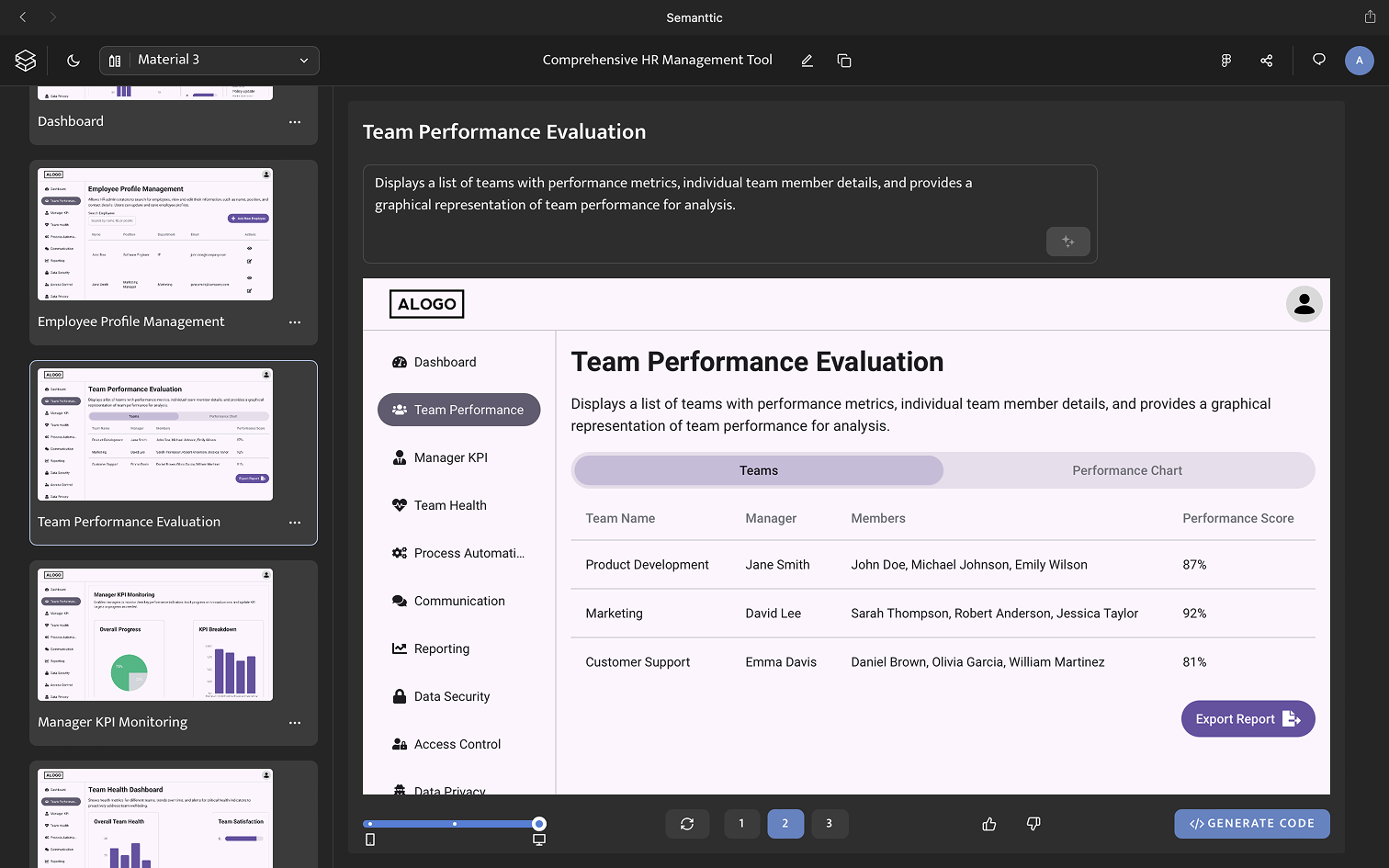
Semanttic
Semanttic · CEO / Founder · 2022–2025
An AI product design startup that turned ideas into editable application flows and user interfaces for back-office applications.
AI Product Design · Enterprise UX
AI · PRD-to-Prototype · Generative UX
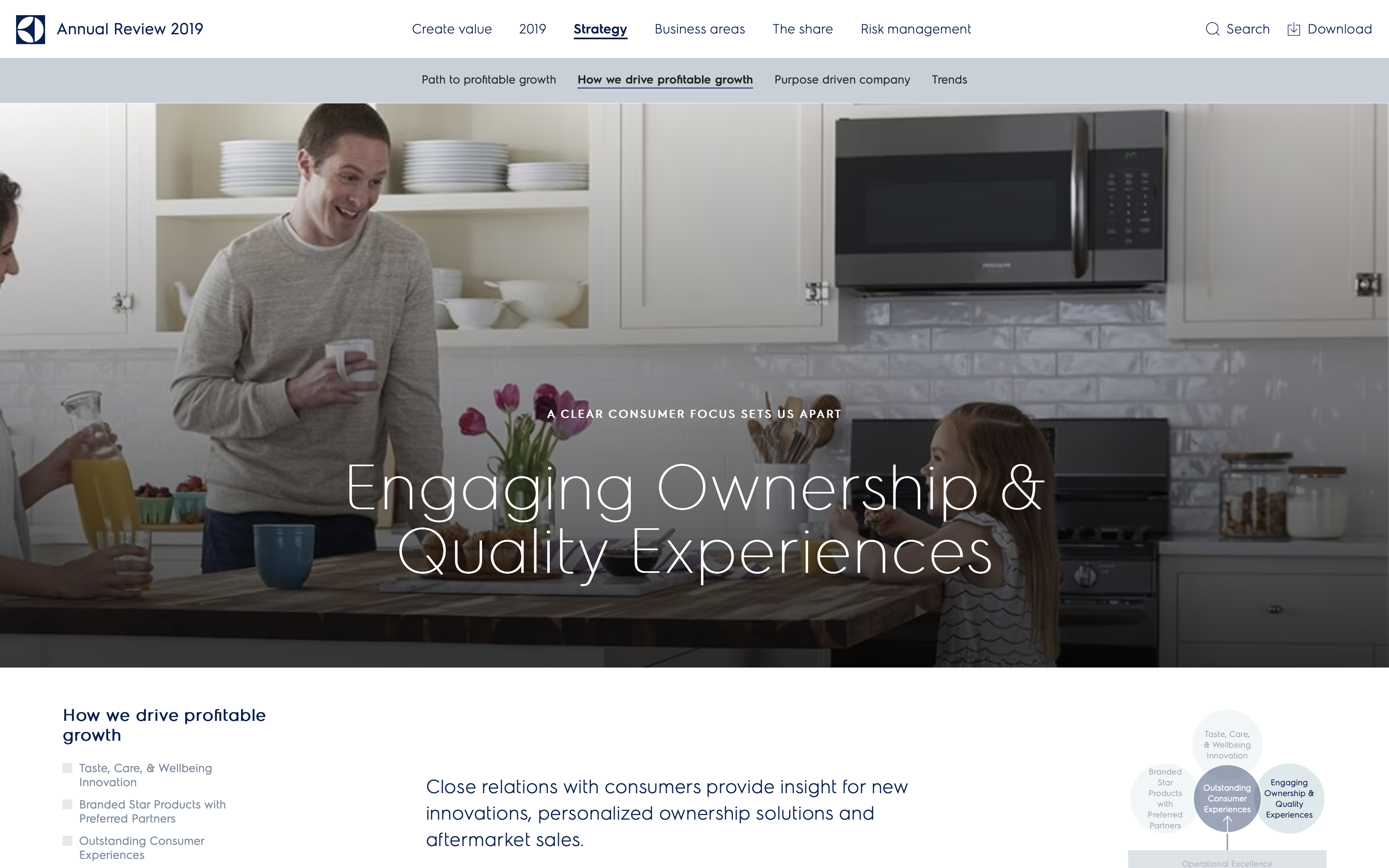
Ownership Experience
Electrolux · VP Digital & Service Design · 2020–2022
A global program to shift appliance ownership from one-time purchase thinking toward lifecycle services, support, onboarding, repair, and repurchase.
Service Design · Connected Products & Services
customer journey · transformation · connected services
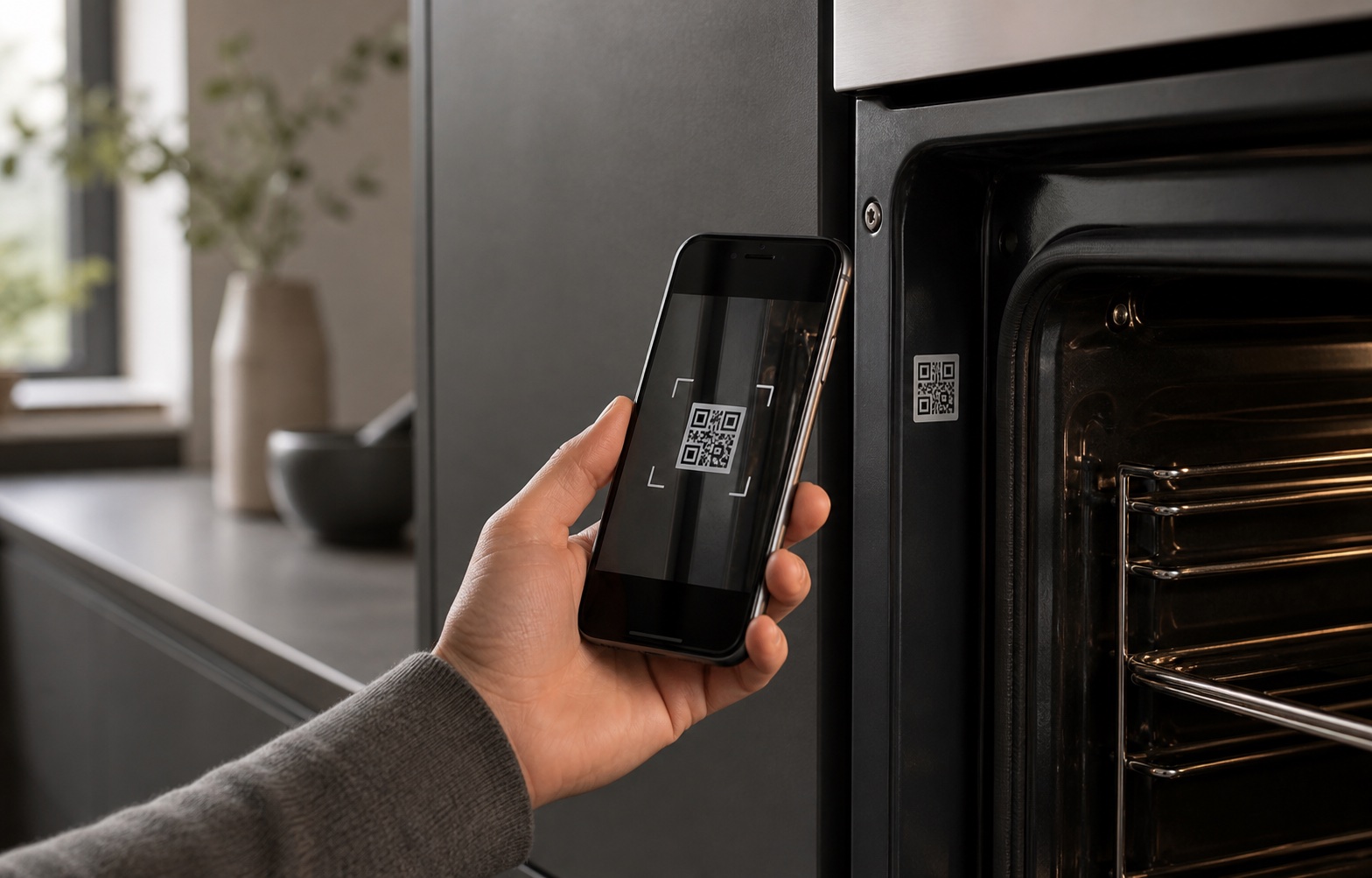
Link
Electrolux · VP Digital & Service Design · 2020–2022
A global QR-code program that connected appliances to lifecycle content, onboarding, support, services, and appliance-specific ownership experiences.
Connected Products & Services · Service Design
QR · ownership experience